
Fall Car Prep Checklist for Vancouver Drivers Before October
Published
Vancouver has a habit of going from summer to winter in about three weeks. One week you are driving with the windows down; the next, the Trans-Canada is wet at 7am and your commute visibility has dropped by half. The cars that handle October best are the ones drivers prepped in late August and September — before the rain makes everything harder to fix.
Wheels and Brake Dust
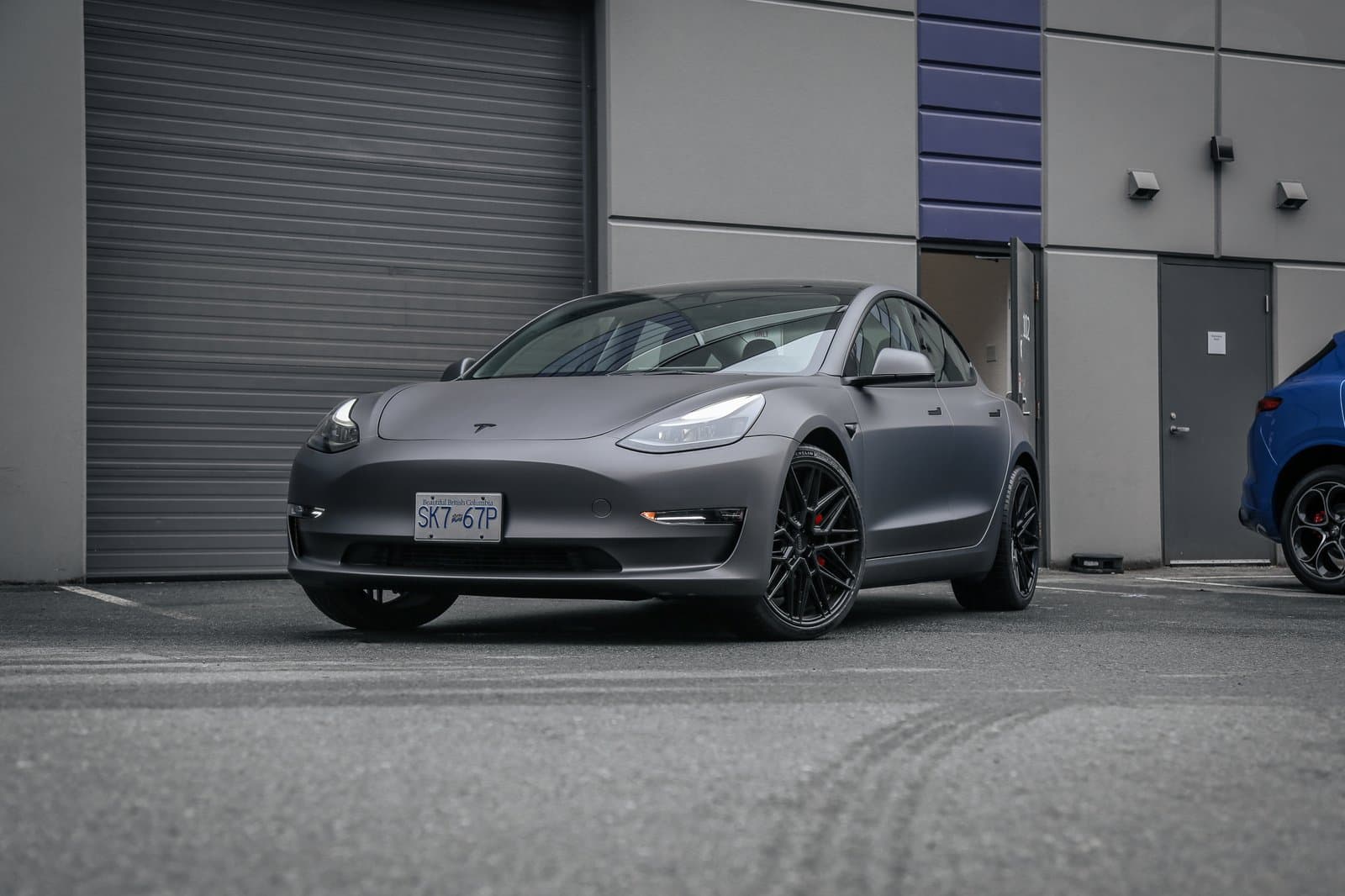
Summer driving means more city trips, more highway kilometres, and brake dust accumulating on every wheel finish. If that dust has been sitting through August heat, it can bake onto the wheel surface and become acidic — particularly on uncoated or polished alloy. A full decontamination wash before fall removes that risk before the wet season locks it in. If you are considering an upgrade, now is the right time to look at wheel options before winter salt makes the decision more urgent.
JRS Auto Customs installs Vossen, Forgelite, and other performance wheels with proper fitment planning — including bolt pattern, offset, and load rating to ensure everything is safe before the wet months.
Battery Health
Cold weather is hard on car batteries, but the damage often starts in summer. Heat accelerates the chemical reactions inside a battery, and a battery that struggled through July and August will show it when the first cold morning arrives. A load test tells you whether the battery is holding charge properly. If it is more than three to four years old, replacing it before October is much less inconvenient than a call for a jump start in a dark parking lot.
Tires and Tread Depth
The BC winter tyre law requires M+S or mountain-snowflake marked tyres from October 1 on designated routes. If you are running all-season tyres heading into fall, check the tread depth now — 4mm or more gives you decent wet-weather grip. Any signs of sidewall cracking from summer UV exposure are a reason to replace before the cold sets in. JRS Auto Customs supplies and fits tyres for all vehicle types.
Browse tyre options and pricing
Wiper Blades and Headlight Clarity
UV exposure through summer is the primary reason wiper blades streak and chatter by September. Replacing them before the rainy season starts costs little and makes a clear difference. At the same time, check your headlights: polycarbonate lenses oxidise gradually, and by late summer they are often diffusing significantly more light than they did in April. Dim headlights reduce your visibility in heavy rain and increase glare for oncoming drivers.
Undercarriage and Road Film
If your car has spent the summer on BC Ferries, parked near sprinkler systems, or driven through road film on the Upper Levels Highway, the undercarriage has collected moisture-retaining grime that accelerates corrosion over winter. A pressure wash of the undercarriage before October removes that film and lets the frame dry properly. JRS offers undercarriage wash as part of its maintenance detailing services.
See maintenance detailing options
Paint Protection for the Wet Season
Vancouver rain is mildly acidic. Ceramic coating creates a hydrophobic surface that causes water to bead and roll off, reducing the amount of time acidic moisture sits on your paint. Paint protection film adds a physical barrier against stone chips from wet-weather highway driving. Both are worth considering if you are planning any protection work before the season changes. JRS offers both ceramic coating and paint protection film installation.
Ceramic coating at JRS Auto Customs
Book Before October
October is when appointment books fill up — tyres, detailing, and protection work all book out in advance. A vehicle that is ready for fall before the rain arrives will also be in better shape going into winter. Contact JRS Auto Customs in Richmond to arrange an inspection or to book any of the work described above.
Related project: Tesla Model 3 Vossen HF7 Wheel Upgrade