
Vancouver Fall Driving Prep: What Your Car Needs Now
Published
Vancouver summers are brief, and the shift to fall comes faster than most drivers expect. Shorter days, wet roads, pine needles, and the first overnight temperatures that remind you the climate here is damp year-round — all of it affects your car. Here is what to look at before the season changes.
Paint and Protection: What Autumn Actually Does
Fall brings a different set of paint threats than summer. Deciduous trees drop sap and leaf matter that bonds to paintwork under morning dew — left for days, it creates surface etching. Pine needles are acidic. Road film from early wet conditions builds up faster than in dry months. For vehicles without any protection film, autumn is when paint condition can deteriorate most noticeably between washes.
PPF is the practical answer for vehicles driven daily in Vancouver — it absorbs stone chips, deflects pine needles, and resists road film adhesion. For vehicles that already have PPF, an autumn inspection of edges and joins catches any lifting before it accumulates moisture underneath the film.
Ceramic coating applied before fall adds a hydrophobic layer that makes removing leaf matter and road film significantly easier. In Vancouver's wet climate, a well-maintained ceramic surface reduces the effort required at each wash and lowers the chance of swirl marks from improper washing technique.
Tyres and Brakes: The Wet-Season Check
BC law requires winter or all-weather tyres on most highways from October 1. That deadline arrives quickly if you have not already planned for it. Check tread depth now — the 4.8 mm minimum for winter tyres on designated routes means tyres at 5 mm are already approaching the limit. All-season tyres lose meaningful grip below 7 degrees Celsius regardless of tread depth.
Brake components see increased wear in fall. Wet conditions mean longer stopping distances and more frequent braking. Have pad thickness inspected before the wet season fully arrives. If you hear any metallic contact or feel reduced bite, book an assessment before it becomes an emergency.
Visibility: Windows, Wipers, and Tint
Autumn rain in Vancouver is not dramatic but it is constant, and the combination of wet glass and headlights from other vehicles is one of the most consistent visibility hazards in city driving. Wiper blades that were adequate in summer may have hardened or cracked over six months of UV exposure. Replacing them before the rain season is inexpensive and immediately effective.
Ceramic window tint is a practical upgrade for Vancouver driving — it reduces glare from wet-road reflections and works year-round without the dark tint levels that can become a visibility liability in low-light autumn conditions. A quality ceramic tint maintains clarity rather than fading over time.
Interior: Moisture Is the Silent Damage
Wet shoes, damp umbrellas, and condensation from temperature differentials bring moisture into the cabin every fall commute. Over weeks and months this works into floor mat fibres, under mat edges, and into seat tracks. The smell that develops is not just unpleasant — it indicates conditions that can accelerate corrosion in metal seat hardware and degrade adhesive in trim panels.
Regular interior extraction and drying during autumn prevents the problem at source. All-weather floor liners designed for the specific vehicle trap moisture before it reaches the carpet. A pre-fall interior detail sets a dry baseline and removes residue from the summer season.
The Best Window for Paint Correction Is Right Now
Late September through October is one of the best windows in Vancouver for paint correction work. Temperatures are moderate, which allows compounds and polishes to work as intended without the heat-induced surface errors that occur in summer sun or the slow cure rates of cold weather. If your paint has accumulated summer swirls and water spots, autumn is the practical time to restore it before the worst of the wet season arrives.
One Season, Many Decisions
Vancouver fall does not arrive all at once, but it arrives fast. The car that was adequate through summer can deteriorate noticeably before winter if autumn maintenance is skipped. A short checklist — paint condition, tyre readiness, wiper function, interior moisture, and brake inspection — covers the main failure modes before they become expensive problems. JRS Auto Customs handles all of these for Vancouver drivers, from single-service visits to full pre-season packages.
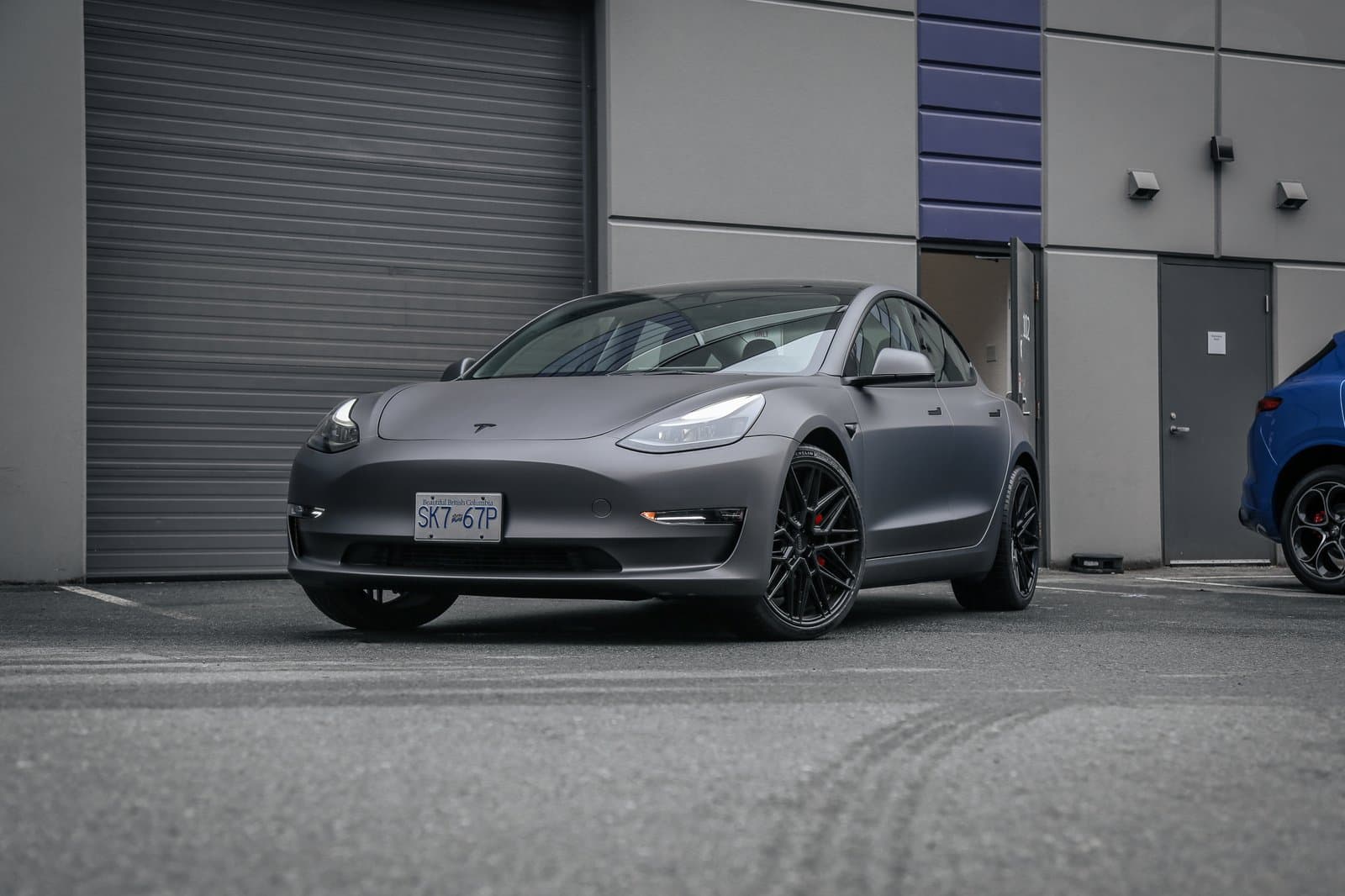
Related project: Tesla Model 3 Vossen HF7 Wheel Upgrade