
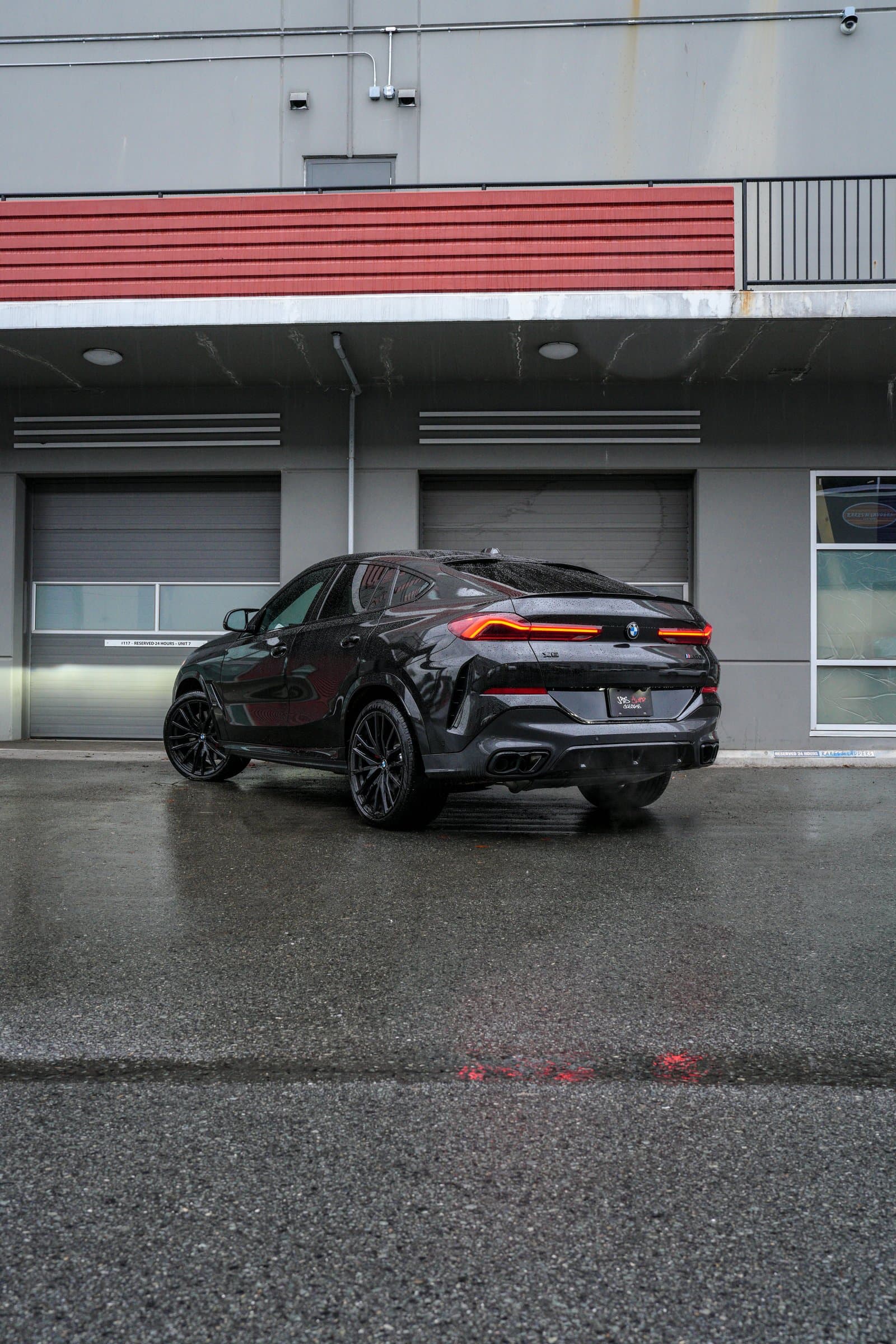
The Car Wash Habit Vancouver Drivers Need This Season
Published
Most Vancouver drivers wash their car when it looks dirty. The problem with that approach is that by the time a car looks dirty in this climate, the damage has already been happening for weeks. Acidic contamination from rain, bird droppings, bug residue, and brake dust begins reacting with your paint the moment it lands. A monthly wash catches what is already there — it does not prevent what built up before you noticed.
Vancouver's rainy season makes this worse than in dry climates. Here is what Vancouver drivers need to understand about how contamination builds up and why washing more often is the single most effective thing you can do for your car's exterior.
What Acidic Contamination Actually Does to Your Paint
Rainwater in Vancouver is more acidic than most drivers realise. Combine that with airborne pollutants from vehicle exhaust and industrial sources, and the moisture that lands on your car carries a mild acid charge. When it dries on the paint surface, it leaves mineral deposits that bond to the clear coat. Bird droppings are significantly more acidic and can begin etching clear coat within hours in warm conditions. Bug splatter contains organic acids that do the same thing.
What starts as invisible surface contamination progresses to water spotting, then to micro-etching, and eventually to the kind of dulling and oxidation that requires paint correction to reverse. Every day of delay between contamination and removal increases the depth of damage.
Why Vancouver's Climate Makes This Worse
Vancouver's climate creates two compounding problems. First, the sheer frequency of rain means paint surfaces never fully dry between wet periods. That means contamination that lands during one rainstorm stays wet and active through the next one — the repeated wet-dry cycle compounds the bonding to the surface. Second, the marine environment introduces salt and moisture into the air continuously, even on days that are not rainy. Coastal humidity means the contamination process does not pause when the rain stops.
The combination is why a car in Vancouver that is washed once a month looks notably different at the end of that month than a car in Calgary or Toronto washed with the same frequency. The climate here accelerates contamination in ways that washing schedules calibrated for dry cities simply do not account for.
How Often Is Often Enough in Vancouver
For Vancouver drivers, a wash every one to two weeks during the wet season — roughly October through March — is the frequency that actually protects the paint rather than just cleaning it. During the dry summer months, every two to three weeks is closer to adequate. If you have a ceramic coating, the interval extends somewhat because the hydrophobic surface sheds contamination more quickly — but it does not eliminate the need for washing.
The most important window is the first 48 hours after a bird dropping or bug splatter lands. If you can rinse it off within that window, the acid has not had time to bond deeply to the clear coat. Keeping a quick-detail spray in the car for that situation is a practical habit for Vancouver drivers.
The Right Wash Method for Vancouver Conditions
A touchless wash at a coin-operated bay is better than not washing, but it does not remove the bonded mineral deposits that acidic contamination leaves behind. A two-bucket hand wash with a pH-neutral shampoo is the standard approach. For vehicles with accumulated contamination that a regular wash cannot remove, a decontamination wash using an iron remover or a clay bar treatment will address what a standard wash leaves behind.
For vehicles that have already developed water spotting or light etching, a paint correction detail — which machine-polishes the clear coat to remove the top layer of damage — is the remedy. Catching contamination early with more frequent washing reduces the likelihood of needing paint correction later.
What This Means for Your Car in Vancouver
Vancouver's climate is genuinely harder on car paint than most other Canadian cities. The combination of acidic rain, coastal humidity, and frequent wet-dry cycling means contamination processes that take months in dry climates happen here in weeks. More frequent washing is the most direct response to that reality — and it costs less than paint correction.
JRS Auto Customs offers full detailing and decontamination services in Vancouver for drivers who want to address what a regular wash cannot. The team can assess the current condition of your paint and recommend the right approach.
Related project: BMW X6 M60i — Metallic Black 3M Wrap