
What a Full Exterior Detail Actually Includes in Vancouver
Published
Most people think a car detail is a wash with extra steps. That is not wrong exactly — but it does not capture what a proper exterior detail actually involves, or why Vancouver is one of the cities where it matters most. Here is what the process actually includes, and why each step exists.
The Wash That Is Not Just a Wash
A proper exterior detail always starts with a thorough wash — but not the kind you get at a tunnel wash or a self-serve bay. It starts with a pre-soak to loosen bonded contamination, followed by a two-bucket contact wash using a clean microfibre mitt and pH-neutral soap. The goal is to remove loose contamination without introducing new surface marks. After the wash, the car is dried using a clean microfibre drying towel — not a chamois, which can drag across the surface and introduce fine marring. This wash step is deceptively important: it sets the surface condition that every subsequent step works from.
Decontamination: Removing What the Wash Leaves Behind
A wash removes loose dirt. It does not remove bonded contamination: iron fallout from braking, tree sap, rail dust, and industrial particulate that have etched into the clear coat surface. On Vancouver roads, iron fallout from braking is the most consistent invisible threat — you cannot see it, but it shows up as a rough, dull feel to the surface and eventually as visible discolouration. Chemical decontamination uses an iron remover applied to the paint surface to dissolve embedded ferrous particles. It is applied after the wash, left to react, and rinsed. The surface should feel noticeably smoother afterward — if it does not, a second round may be needed.
After chemical decontamination, a clay bar or clay towel is used as a final mechanical contamination step — it picks up anything that remains bonded to the surface. The result is a completely clean surface that reflects light evenly — which is the starting condition for any paint correction or protection that follows.
Paint Correction: Removing the Damage That Is Already There
Once the surface is clean, you can see the actual condition of the paint. Most vehicles that have been washed with automated tunnels or neglect have some combination of wash marring, swirl marks from improper technique, and oxidation from UV exposure. Paint correction uses a polish compound and machine or hand application to level the clear coat surface and remove or reduce these defects. A single-stage correction removes the majority of swirl marks and restores gloss. A two-stage correction — compound followed by a finishing polish — removes deeper defects and produces the highest level of clarity.
For Vancouver vehicles, paint correction before winter is one of the most worthwhile investments you can make. Winter road salt is most damaging to already-compromised clear coat. Correcting and protecting the paint before the salt season begins is significantly cheaper than correcting the damage after it has had months to work.
Protection: The Layer That Keeps the Correction Working
Paint correction without protection is a temporary result. The protection step is what maintains the correction over time. Options range from a spray sealant that lasts a few months to a ceramic coating that lasts years. For Vancouver drivers, the practical choice depends on how the car is used and how much maintenance you are willing to commit to.
A spray sealant is low-cost and easy to reapply — useful for vehicles that are washed frequently and where the owner is engaged in regular maintenance. A ceramic coating is a larger upfront investment but provides years of hydrophobic protection and reduces the frequency of full decontamination cycles. The key point is that protection is not optional after correction — without it, the surface returns to its previous condition faster than most people expect.
What JRS Auto Customs Does Differently
A detail that skips decontamination or cuts corners on correction is not a full detail — it is a wash with polishing. At JRS Auto Customs, every exterior detail follows the complete sequence: wash, decontamination, clay, correction as needed, and protection applied to the surface condition found on the day. We do not apply protection over an unprepared surface.
If you want to understand what your car's paint actually needs before committing to a service, see our maintenance and detailing services or get in touch to discuss what a full exterior detail would involve for your specific vehicle.
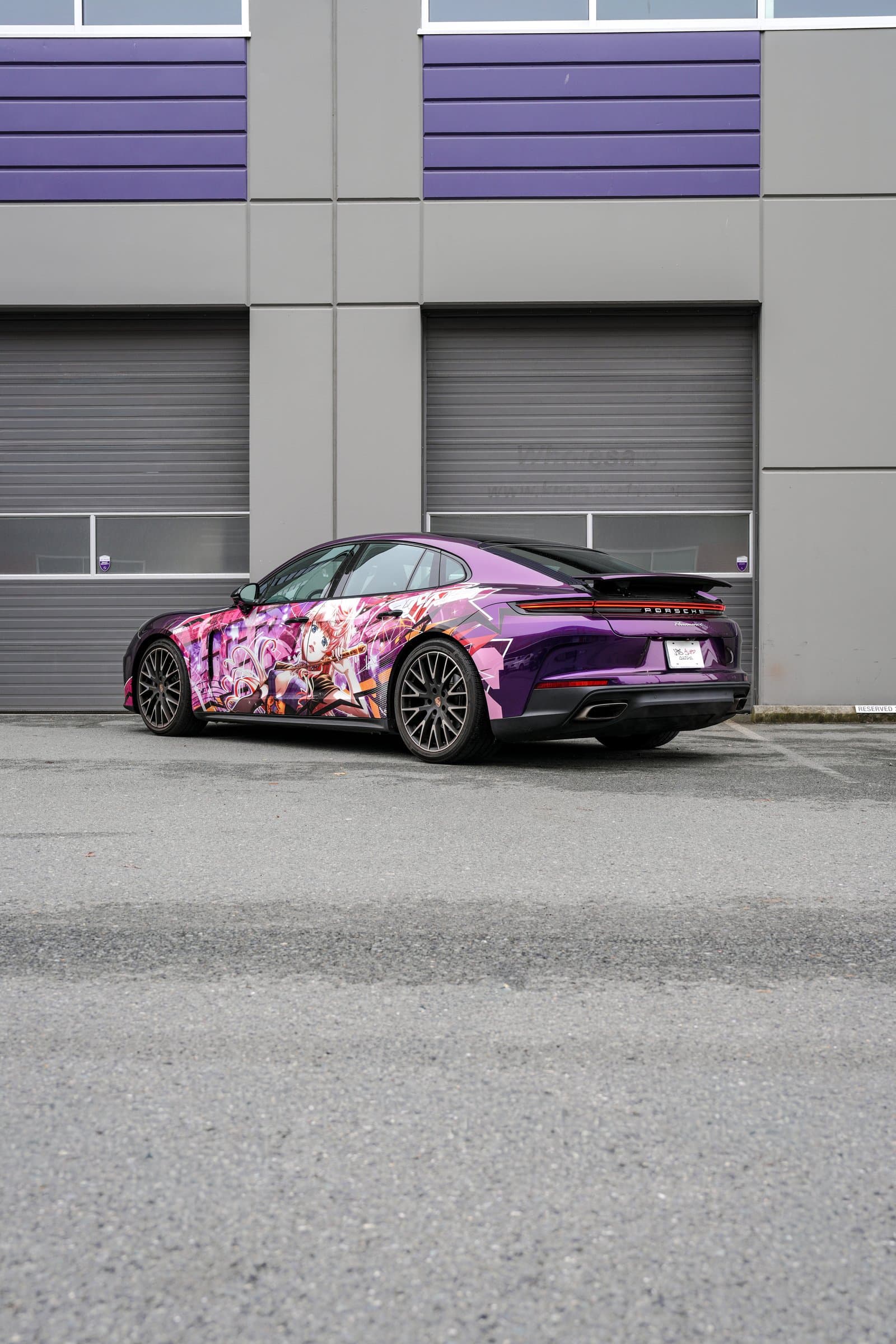
Related project: Porsche Panamera Purple Itasha Anime Wrap