
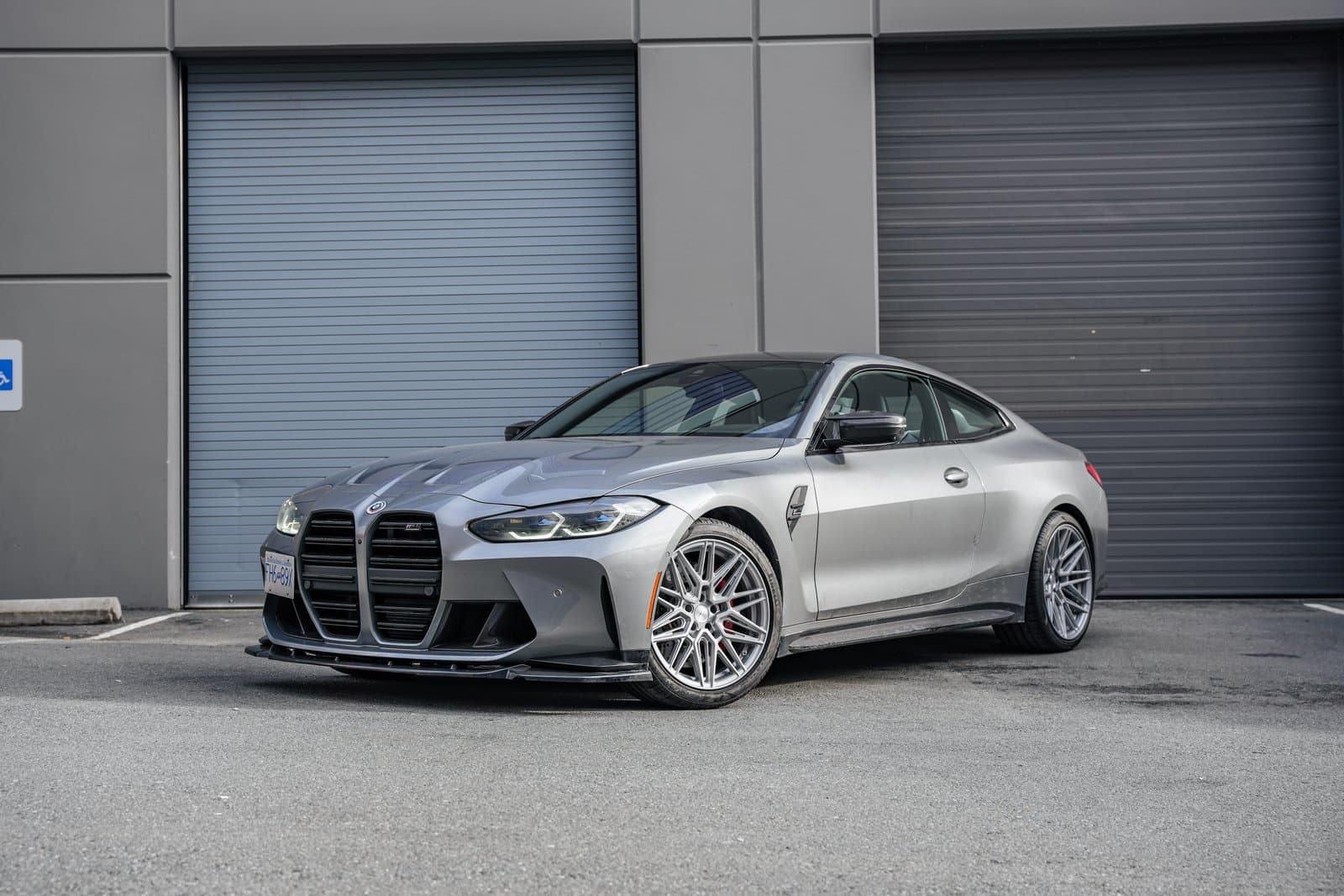
How to Restore Cloudy Headlights in Vancouver
Published
Cloudy or oxidised headlights are one of the most common maintenance issues on vehicles in Vancouver. The oxidation that causes the hazy, yellowed appearance is a gradual process that worsens each year of UV exposure, and the Lower Mainland gets more bright days than most people expect. Restoring headlights properly improves nighttime visibility and road safety, not just appearance. Here is what the process involves.
What Causes Headlight Oxidation
Most headlight lenses on vehicles sold in Canada since the 1990s are made from polycarbonate plastic. Polycarbonate is durable and impact-resistant, but UV exposure causes the surface to oxidise over time — a chemical change in the outer layer of the plastic that creates a hazy, yellowed appearance. This oxidation diffuses light from the bulb, reducing the effective output of the headlight and scattering light in ways that can increase glare for oncoming drivers.
In Vancouver, the combination of coastal UV exposure and frequent rain creates conditions that accelerate oxidation. Vehicles parked outdoors — common in many neighbourhoods without covered parking — show the most visible deterioration. Vehicles garaged or parked under cover show noticeably less oxidation over the same age range.
When Restoration Is Appropriate
Restoration is appropriate when the lens housing itself is structurally sound but the surface is oxidised. If the lens is cracked, or if the plastic has degraded to the point of becoming brittle, replacement is the safer option. A simple test: if the lens feels chalky or brittle when pressed, replacement is the better choice.
Restoration is also not appropriate if the underlying reflector or projector housing inside the lens is corroded or waterlogged. Moisture inside the headlight housing — visible as condensation or moisture trails inside the lens — means the seal between the lens and housing has failed. Sealing over a failed seal with restoration compound will trap moisture and cause further corrosion. Inspect the interior of the lens before committing to restoration.
The Restoration Process
Professional headlight restoration involves multiple stages. Wet sanding starts with progressively finer sandpaper grits — typically 800 to 2000 grit — to remove the oxidised surface layer. This is followed by compounding to remove sanding marks, then polishing to restore optical clarity. Finally, a UV-blocking sealant or clear coat is applied to the lens surface to prevent re-oxidation.
The UV sealant stage is critical. Restoration without UV protection will oxidise again within months, particularly in Vancouver's UV environment. A properly UV-sealed restoration should maintain clarity for two to three years or longer depending on exposure.
Hand sanding by DIY kits can improve appearance but rarely achieves optical clarity equivalent to machine restoration, and without proper UV sealing the improvement is short-lived. For results that last, machine restoration with proper UV sealing is the more reliable approach.
Safety Considerations
Restored headlights that are not properly aimed will create glare for oncoming drivers. After any restoration or replacement, headlight aim should be checked and adjusted to manufacturer specifications. Many shops offer headlight aiming as part of a restoration service.
In BC, driving with headlights that do not meet output standards can result in a vehicle inspection notice. Cloudy headlights that significantly reduce output may trigger an inspection requirement. Restoration is generally accepted as meeting output standards when properly completed.
Prevention
The most effective prevention is parking in a garage or covered carport. For vehicles without covered parking, UV-blocking headlight covers offer partial protection. These are fitted over the headlight lens and reduce direct UV exposure between drives.
Regular washing also helps — road film and contaminants left on the lens surface can accelerate surface degradation. Keeping headlights clean and waxed with a UV-blocking product slows surface oxidation meaningfully.
Getting It Done
Headlight restoration typically takes two to four hours per pair, depending on the extent of oxidation. It is usually done in-shop as a specialist task. If your headlights are showing oxidation, book an assessment — the technician can confirm whether restoration or replacement is the right call based on the actual condition of the lenses.
JRS Auto Customs can assess your headlights and advise whether restoration or replacement is the right call. For your next maintenance appointment, ask about headlight condition at the same time.
Related project: BMW M4 G82 on Vossen HF7 Hybrid Forged Wheels