
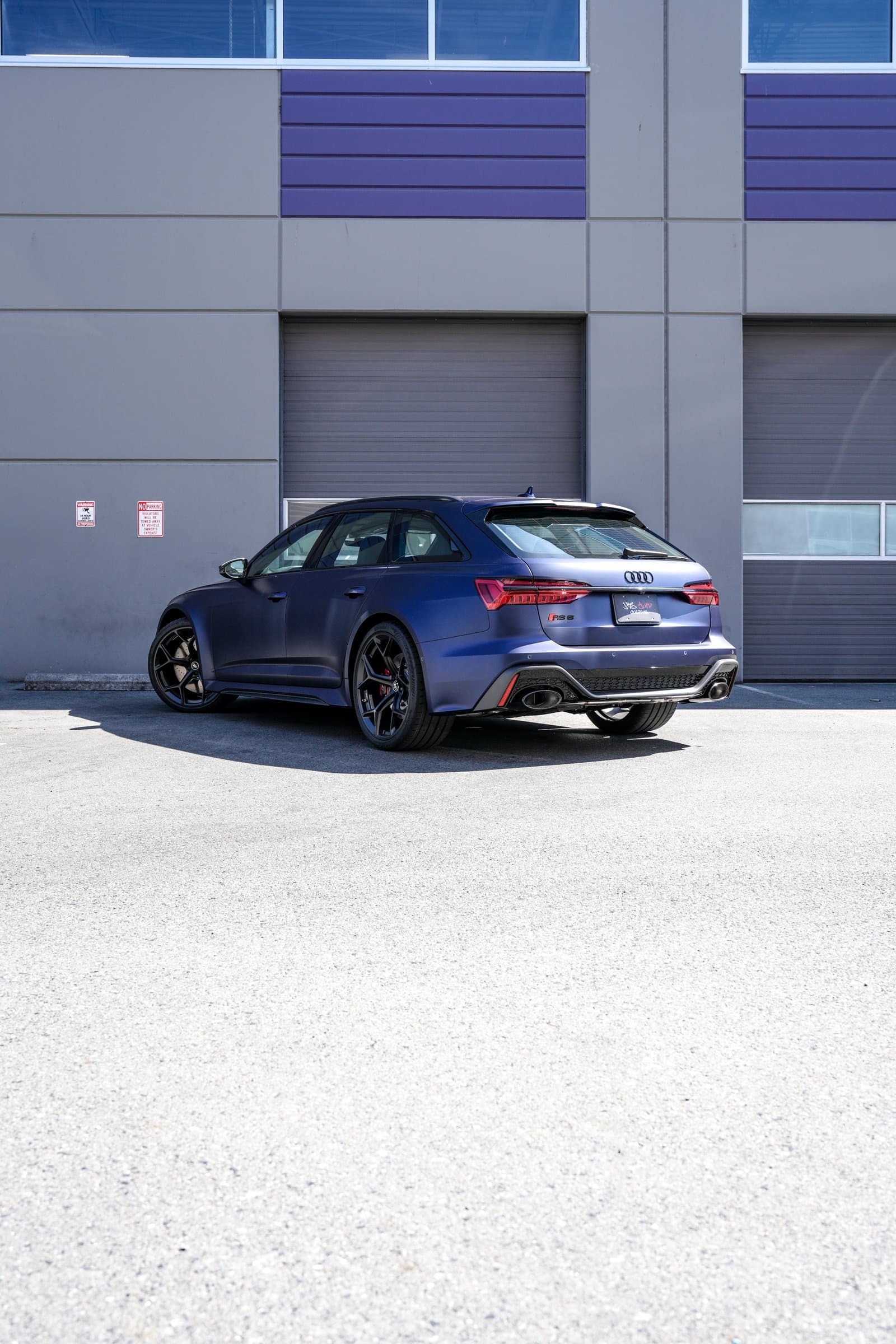
Headlight and Tail Light Protection with PPF
Published
Headlights and tail lights are made from polycarbonate plastic, not glass. Polycarbonate is impact-resistant and lightweight, but it scratches easily, yellows under UV exposure, and chips from road debris. The same PPF film used to protect car paint is applied to lenses for the same reasons, and the same principles apply.
Why Headlight and Tail Light Lenses Need Protection
Polycarbonate lenses yellow and oxidise under UV exposure. This is a gradual process most owners do not notice until the headlights are noticeably cloudy or the tail lights have lost their clarity. UV degradation of polycarbonate is irreversible without replacement - once the lens has yellowed, no polish or restoration product reverses it.
Rock chips are the other main damage type for headlights. A stone strike on a headlight lens can crack, chip, or scratch the polycarbonate surface. Replacement of damaged headlight assemblies is not inexpensive, particularly for luxury and import vehicles. Damaged lenses also reduce light output, which directly affects visibility in low-light driving conditions - a genuine safety concern.
How PPF Protects Lenses
PPF film on lenses works the same way as on paint: it absorbs impact energy and physically blocks road debris from contacting the lens surface. The urethane film's elasticity allows it to reseal from low-energy impacts and sacrifice in higher-energy impacts, protecting the lens underneath.
The film also provides UV protection for the polycarbonate surface. By blocking UV from reaching the lens material, PPF significantly slows the yellowing and oxidation that would otherwise reduce lens clarity over time.
In Vancouver, where the UV index during clear weather from April through September is sufficient to cause measurable oxidation on unprotected lenses over a single season, this UV-blocking benefit is particularly relevant for vehicles parked outdoors regularly.
Installation Considerations for Light Lens Protection
Lenses have curves and complex shapes, and film application requires skill. Headlight lenses in particular often have complex front-surface geometry that makes full coverage challenging. Poorly applied film can trap bubbles, cause edge lifting, and allow moisture to collect, which leads to condensation inside the lens.
Professional installation ensures the film is applied to the lens surface with proper preparation - including a thorough clean and decontamination before application. The film must be cut to match the exact shape of the lens to avoid overhang that would peel.
Is Lens Protection Worth It for Vancouver Drivers
For new vehicles or vehicles with recently replaced lens assemblies, lens protection is a worthwhile investment. The cost of replacing a full headlight assembly on a luxury vehicle can be significant; the cost of film protection is typically a fraction of replacement.
For vehicles with already noticeable yellowing or oxidation, lens protection has limited value - the film cannot reverse existing damage. For these vehicles, restoration or replacement is the appropriate solution. Film applied over an oxidised lens will preserve what remains but will not improve the current condition.
For vehicles driven regularly on highways - where stone chips are more common - or vehicles parked outdoors in strong sun through spring and summer, lens protection is particularly worth considering. The cost of film protection is typically lower than the cost of even a single stone chip requiring lens replacement.
Maintenance of Protected Lenses
PPF-protected lenses require the same care as PPF-protected paint: regular washing with pH-neutral cleaners, immediate removal of contaminants, and inspection of film edges for lifting. Unlike unprotected polycarbonate, the film surface resists scratching from automated car washes and road debris, but it still benefits from regular cleaning.
Explore JRS Auto Customs PPF lens protection options, including front and rear light protection for new and recently replaced lenses. Or book a PPF consultation to discuss whether lens protection makes sense for your vehicle and driving patterns.
Related project: Audi RS6 Avant Matte Blue PPF