
Interior Leather Care for Vancouver Drivers
Published
Why Interior Leather Needs Different Care Than the Exterior
Car leather is not the same as a leather jacket or a leather sofa. Automotive leather is manufactured to strict durability specifications — it needs to withstand UV exposure, temperature extremes, and the oils from human skin over years of use. But it still requires regular care to stay in good condition, and the type of care it needs is different from what a detailer does to the exterior.
The interior of a car faces a combination of challenges that exterior paint does not: direct UV exposure through the windscreen, body heat that bakes the seats on hot days, moisture from wet clothing, and the constant contact with skin oils on the steering wheel and driver's seat bolster. Over time, all of these factors degrade the leather in ways that simple cleaning does not address.
How Vancouver's Climate Affects Interior Leather
Vancouver's summer sun is more damaging to interior leather than most drivers realise. While ambient temperatures in the Lower Mainland are moderate, a car parked in direct sun can reach interior temperatures of 60 degrees Celsius or higher. At that temperature, the moisture in leather evaporates and the natural oils that keep the material supple begin to break down faster.
The UV that comes through the windscreen is also a significant factor. UV-A penetrates glass and degrades the dye in lighter-coloured leathers, causing fading and discolouration that becomes visible after one or two summers of heavy sun exposure. On a dark leather steering wheel, the combination of UV and heat can cause the surface to crack and become slippery — a genuine safety concern as well as a cosmetic one.
In winter, the problem is moisture rather than heat. Wet clothing and the condensation cycle inside the cabin introduce humidity that leather absorbs. Leather that stays damp without proper drying can develop mould in the stitching and the foam underneath, which is harder to address than surface wear.
Cleaning: What Works and What to Avoid
The foundation of leather care is correct cleaning. Before applying any conditioner, the leather must be free of surface oils, dead skin cells, and grime that has accumulated from daily use.
Use a dedicated leather cleaner — not all-purpose interior cleaners. Leather-specific formulas are pH-balanced to clean without stripping the material's natural oils.
Apply the cleaner with a soft bristle brush in a circular motion, working it into the stitching and any textured grain. Let it dwell for the time specified on the product, then wipe off with a clean microfibre.
Never use household cleaning products — dish soap, window cleaner, or sanitising wipes can degrade leather dye and the surface finish.
Condition immediately after cleaning, while the leather is still clean but slightly damp. Conditioner applied to clean, dry leather does not absorb as effectively.
Conditioning: Why It Matters More Than Cleaning
Conditioning is where the real maintenance of leather happens. A quality leather conditioner replenishes the oils that daily use and environmental exposure draw out of the material. Without regular conditioning, leather becomes stiff, cracks along the creasing lines, and fades unevenly.
How often conditioning is needed depends on usage. A daily-driver car with two occupants using the front seats will need conditioning more often than a weekend car. A good practical indicator is the feel of the leather: if it looks dry, feels stiff, or has lost its sheen, it is time to condition.
For Vancouver drivers, autumn is a good time to condition before winter sets in — a well-moisturised hide is more resistant to the drying effects of winter cabin heating than one that has been neglected through summer.
Steering Wheel and Driver's Seat: The Most Stressed Areas
The steering wheel and driver's seat bolster take the most concentrated wear in any car. Skin oils from hands transfer to the wheel, and over time these oils build up into a layer that looks glossy but is actually slightly acidic — it gradually degrades the leather surface. The driver's seat bolster is similarly affected by repeated contact with clothing and the pressure of entering and exiting the car.
These areas benefit from more frequent cleaning and conditioning — ideally every second or third detail rather than waiting for the full interior treatment. A dedicated steering wheel cleaner applied with a soft brush and wiped with a damp cloth takes two minutes and makes a noticeable difference.
When to Bring Your Car In for Professional Leather Care
Some leather issues need more than consumer products can address. If the leather has developed cracking along the creasing lines, the dye has faded unevenly, or the surface has become sticky or slick despite cleaning, professional assessment is warranted.
A professional leather restoration can address surface cracking with a colour restorer that is matched to the original dye — this refreshes the appearance and adds a small protective layer. Heavily cracked or torn leather may require replacement of the affected panel, which JRS Auto Customs can quote for as part of a broader interior restoration.
For regular maintenance, JRS Auto Customs offers interior detailing services that include leather cleaning and conditioning as part of the process. Book an interior detail to have your leather assessed and treated.
Summary
Leather interior requires different care from exterior surfaces — the challenges are heat, UV, skin oils, and moisture rather than road contamination.
Vancouver's summer sun through the windscreen and winter moisture both degrade leather in distinct ways.
Use only leather-specific cleaners; household products can damage leather dye and finish.
Condition leather regularly — especially before winter and on the steering wheel and driver's seat bolster.
Cracking, fading, and sticky surfaces are signs that consumer products are no longer sufficient.
Professional leather restoration can address advanced cracking and fading that consumer care cannot fix.
If your leather interior is showing signs of age or neglect, book an interior assessment with JRS Auto Customs.
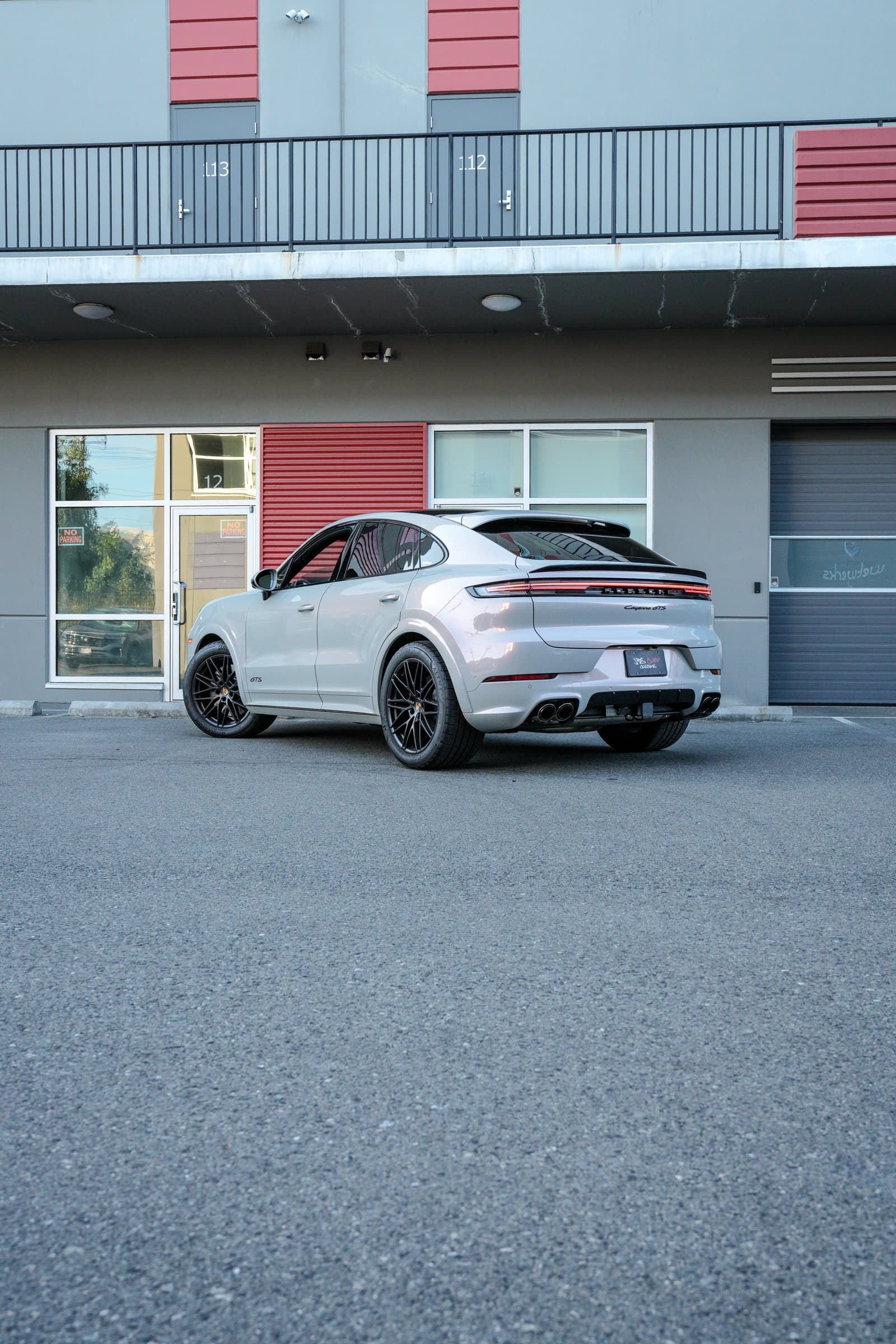
Related project: Porsche Cayenne GTS Red Diamond PPF Wrap