
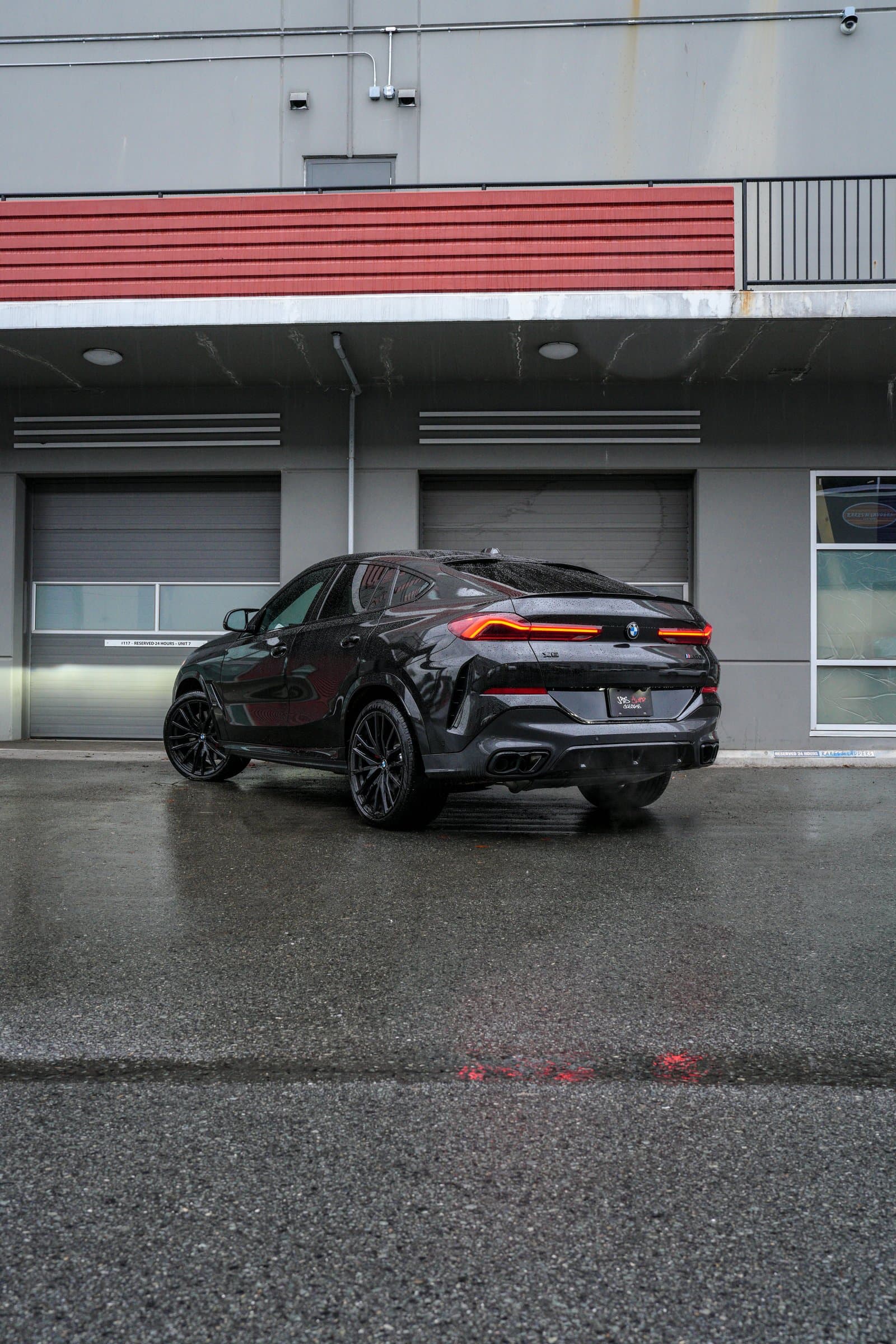
Caring for Your New Colour Change Wrap: The First 90 Days
Published
A colour change wrap is an investment in how your car looks. Like any investment, the returns depend on how you manage it in the period immediately after installation. The first 90 days are the most important for the long-term appearance of the wrap. Here is what to do — and what not to do — in the months after your wrap goes on.
The First Two Weeks After Installation
After installation, the adhesive needs time to bond fully to your car's paint. During the first two weeks, avoid automated car washes — both brush and brushless. The physical contact of a brush car wash can lift edges that have not fully cured. Even touchless washes use high-pressure water that can get under partially-bonded edges at the bumper and door handle recesses. Also avoid pressure washing the vehicle at close range for the first two weeks.
Parking in direct sunlight immediately after installation can also affect the adhesive bond. If possible, park in shade or indoors during the first two weeks of the curing period. This is especially relevant in summer — Vancouver's dry-season sun can heat the film surface significantly, which affects how the adhesive cures at the edges.
Hand Washing a Wrapped Car
After the two-week cure period, hand washing is the appropriate method for a wrapped car. Use a pH-neutral car shampoo specifically formulated for wrapped vehicles — the surfactants in general car wash products can degrade the vinyl adhesive over time. Apply the shampoo with a soft microfibre wash mitt, rinse the mitt frequently, and work from the roof down.
When using a pressure washer on a wrapped car, maintain at least 30 centimetres of distance from the film surface and avoid directing the spray directly at edges and seams. Spray at a flat angle rather than perpendicular to the surface. This prevents the water from getting under the film at the most vulnerable points — the places where the film has been stretched around curves and recesses.
Avoid waxes, paint sealants, and any compound or polish near the edges of the wrap. These products are designed for painted surfaces and can interact with the vinyl adhesive, causing lifting or discolouration at the edges. The body of the wrap tolerates most waxes, but if you are not sure, check with the shop that installed the wrap before applying any detailing product to the film surface.
Inspecting the Edges in the First Month
Edges are the first places to lift on any colour change wrap. During the first month, inspect the film edges weekly — particularly at the front bumper, around the door handles, at the mirrors, and along the trunk lid. These are the areas with the most complex curves and the highest stress on the film during installation. Any edge that has lifted more than a few millimetres should be addressed promptly before it collects dirt and moisture under the film.
A small edge lift can often be pressed back down by a professional using a heat gun and a soft roller. Attempting to push it back without heat and the right technique usually makes it worse. If the lift is caught early — within the first few weeks — re-sealing is straightforward. After it has been contaminated with road grime, re-sealing requires cleaning the underside of the film before re-activation, which is a more involved process.
Environmental Exposures to Manage
Road salt in winter is not immediately damaging to vinyl film, but prolonged exposure to saturated salt solution at the edges accelerates adhesive breakdown. After winter driving on salted roads, rinsing the film — particularly around the edges and wheel arches — with fresh water removes salt residue before it can work its way under the film.
Chemical exposures to avoid on or near the wrap include fuel spills, which can swell and discolour vinyl on contact; brake fluid, which is a solvent and will damage the film; and insect remover products that contain harsh solvents. If any of these contacts the film, rinse immediately with water.
Bird droppings are acidic and will stain or etch vinyl film if left for more than a few hours in warm weather. Rinse them off as soon as you can. Tree sap behaves similarly — it bonds chemically to vinyl and requires a dedicated solvent remover to clear without damaging the film.
Keeping the Wrap Looking Good Through Year One
After the first 90 days, a wrapped car is generally durable and low-maintenance if the initial period has been managed well. Continue hand washing with appropriate products, inspect edges periodically, and address any lifting promptly. Most professionally installed wraps that have been well-maintained in their first year will look significantly better at the one-year mark than wraps that have been neglected.
A professional inspection at around 12 months is a sensible step for any wrapped car. The shop that installed the wrap can assess the condition of the film, re-seal any edges that have lifted, and advise on whether the wrap is a candidate for a protective topper coating that extends film life.
JRS Auto Customs installs and maintains colour change wraps in Vancouver. If you have questions about caring for your wrap or want to book a post-installation inspection, contact us. For our colour change services, visit our colour change services page.
colour change servicesRelated project: BMW X6 M60i — Metallic Black 3M Wrap