
Paint Correction After a Collision in Vancouver
Published
A minor collision does not always produce obvious damage. The dent in the bumper might be the least of what happened — the real concern is often what the impact did to the paint surface, the panel alignment, and the structure underneath. Here is what Vancouver drivers should understand about paint correction after an accident, before assuming the body shop quote is the whole story.
Why Paint Damage After a Collision Is Different From Regular Wear
Ordinary paint damage — stone chips, oxidation, swirl marks from washing — is predictable and localized. Paint correction for these issues is a straightforward process: compound the affected area, refine with finer polish, and seal. The damage is on the surface.
Paint damage that follows an impact behaves differently. A panel that absorbed a hard bump may have micro-fractures in the clear coat that are not visible in ordinary light but appear under inspection lighting. A panel that was pushed and released may have stress in the metal that manifests as checking or cracking in the paint months later. Paint over a repaired dent may look smooth after the bodywork but fail prematurely because the primer or filler underneath was not prepared to the standard needed for long-term paint adhesion.
What an Assessment Looks For Before Any Correction Work Begins
Before any paint correction is attempted, the surface needs to be assessed properly. This means washing the vehicle thoroughly, then inspecting under strong, angled light — daylight or a dedicated inspection lamp — across every panel that was near the impact zone. The technician is looking for micro-cracking in the clear coat, lifting at panel edges, and any area where the paintflexes visibly when pressure is applied to the panel.
If the damage extends to the substrate — exposed metal, deep scratches through the primer, or rust forming at an impact site — paint correction is not the starting point. Those areas need substrate repair first. Working polish over an area with active rust or exposed metal will make the damage worse and may void any remaining warranty on the paint.
Paint Correction Stages and What Each Is Meant to Address
Single-stage correction uses one compound pass to address light oxidation and minor swirl marks. This is the appropriate starting point for panels that show only surface damage — light scratches, water spots, the kind of dulling that accumulates over a couple of seasons in Vancouver's climate.
Two-stage correction adds a refining polish pass after the compound. This removes the hazing left by the compound and brings the surface to a higher level of clarity. It is required for panels where the damage has penetrated the clear coat or where the paint shows UV fade that goes beyond surface oxidation.
For panels repaired after bodywork — especially over filler — correction may require a pre-correction inspection with a film-thickness gauge to confirm how much clear coat is present before the work begins. Repairers who have done this properly will have applied adequate clear coat to allow for a full correction. Those who have not will have left the panel with too little material to work with.
The Insurance and Collision Assessment Process in BC
In BC, after a collision you have the right to choose your own repair shop — not just the one your insurer recommends. Before accepting a cash settlement or a repair authorization through an insurer, it is worth getting an independent assessment. This is especially relevant for vehicles where the repair estimate and the actual damage turn out to be significantly different, which happens more often than drivers expect.
JRS Auto Customs offers collision damage assessment as part of its maintenance services. We look at what the impact did to the paint and surface, what a body shop estimate covers, and what residual issues might appear after the repair is complete. You do not need to have decided on any work to request an assessment — it is a diagnostic step that gives you the full picture.
If the vehicle is a higher-end model or one where maintaining original paint affects value, the assessment also considers whether PPF applied after correction would be worth the investment. Paint that has been corrected and then protected is in better condition going forward than paint that has been repainted, even with quality work. If you are considering the vehicle long-term, PPF services is worth reviewing alongside the correction options.
The combination of a thorough post-collision correction followed by PPF on the repaired panels is the approach that gives a vehicle the best chance of holding its condition after an accident. Book an assessment to find out what your vehicle needs.
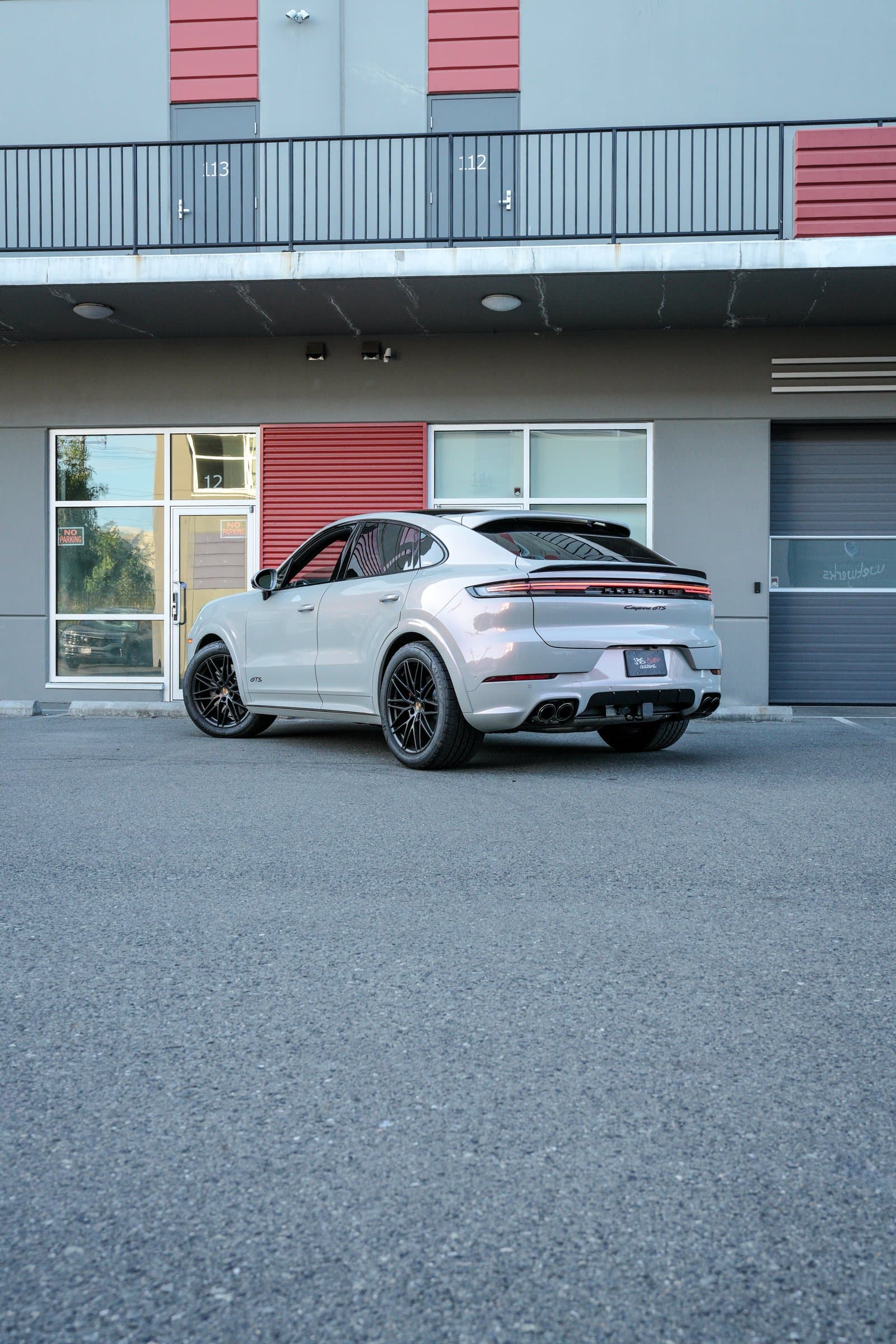
Related project: Porsche Cayenne GTS Red Diamond PPF Wrap