
Why Your Car Needs a Detail After a Vancouver Winter
Published
By March, most Vancouver cars have been through five months of road salt, sand, rain, and cold starts. By April, the salt season is technically over — but what it left behind is still sitting on your paint, in your wheel wells, and in the carpets. This is the moment to do something about it.
Spring is the best time for a full detail on a Vancouver car. Not because the weather is nicer to work in, but because your car has just survived the worst road conditions of the year — and what you do in the next few weeks determines how much of that damage is permanent.
What Road Salt Actually Does to Your Car
Road salt and the brine spray from winter roads are not just corrosive in theory. Salt lowers the freezing point of water and keeps roads clear — but the same chemistry that makes it effective on asphalt makes it aggressive on bare metal, rubber, and unprotected paint. Salt sits in wheel wells, collects in door shuts, and clings to the underside of the car long after the roads look dry.
On paint, salt accelerates micro-oxidation — tiny pits in the clear coat that are invisible individually but accumulate into a dull, flat appearance over multiple winters. On unprotected bare metal — brake lines, suspension components, undercarriage hardware — salt accelerates corrosion that can become structural. On rubber seals and trim, salt and moisture degrade flexibility and cause premature cracking.
What a Spring Detail Actually Fixes
A proper detail after winter addresses the damage in layers. It is not the same as a standard wash.
The process typically starts with a thorough contact decontamination: an iron remover applied to the paint surface dissolves embedded ferrous particles — the tiny metal fragments from brake dust and road debris that embed themselves in the clear coat. This step is what gives contaminated paint back its smooth surface before any correction is done.
Next, a clay bar treatment pulls out the remaining bonded contamination that washing alone cannot remove. The paint surface is then evaluated for swirl marks and oxidation — areas of the car most exposed to road spray often show the most damage. Paint correction, if needed, is most effective at this stage, before summer UV and heat accelerate any existing clear coat degradation.
Interior work matters just as much after winter. Salt and moisture tracked in on footwear accumulate in floor mats, carpet fibres, and seat mechanisms. A deep interior detail with steam cleaning addresses what a vacuum cannot — the salt residue that causes odour and material degradation over time.
Why the Undercarriage Is the Most Overlooked Part
Road salt collects most densely on the undercarriage. Wheel wells, frame rails, brake lines, and suspension mounts are all exposed to direct salt spray from the road surface. After winter, these areas are often caked with a mixture of salt, sand, and road grime that traps moisture against metal.
A full detail at JRS includes undercarriage rinsing and cleaning where accessible. For areas that are difficult to reach, we identify what can be safely flushed and what needs to be noted for future monitoring. If there is existing corrosion, we document it and advise on what to watch for — so you can catch problems before they become expensive.
What You Can Do Yourself and What Needs a Professional
There are things a careful car owner can handle in a driveway: a contact wash with a two-bucket method, cleaning wheel faces and door shuts, and a basic interior wipe-down. These are worth doing and do not require a shop.
What is harder to do at home is safe paint decontamination — iron removers need proper ventilation and correct dwell time, clay bar work requires technique to avoid inducing new marring, and undercarriage cleaning needs pressure and access most residential setups cannot provide. Paint correction, if your paint needs it, requires a polisher, the right pads, and a solid understanding of clear coat thickness before you start.
If you are wondering whether your car needs a professional detail this spring, visit our maintenance and detailing page for a breakdown of what each service includes, or give us a call to discuss what your car specifically needs.
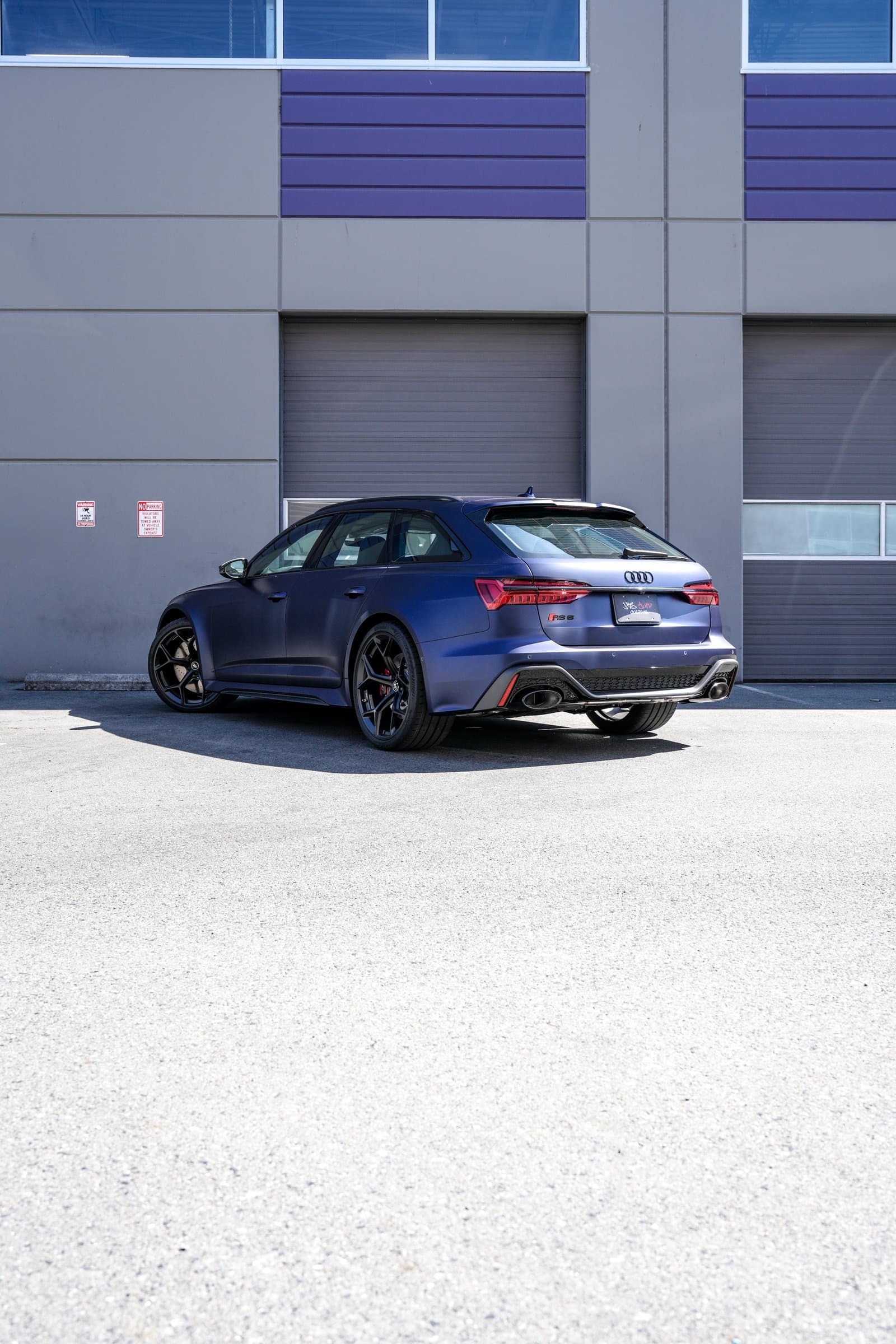
Related project: Audi RS6 Avant Matte Blue PPF