
What Winter Does to Your Car's Rubber Seals in Vancouver
Published
Vancouver's winters do something to rubber seals that summer never does. The combination of cold temperatures, rain, and road salt creates conditions that stress the seals around your doors, boot, windscreen, and sunroof in ways that are easy to ignore until they fail. By the time a door seal starts letting water into the cabin, the damage to the carpet and electronics underneath has usually already been done. Understanding what is happening to your seals — and what you can do about it — is one of the more worthwhile maintenance habits for Vancouver drivers.
What Winter Does to Rubber Seals
Rubber is a natural material that changes with temperature. Cold makes it contract and stiffen; heat makes it expand and soften. In a Vancouver winter, the temperature swings between mild above-zero days and hard freezes are common. Each cycle of contraction and expansion puts stress on the adhesive bond that holds the seal to the door frame. Over a season or two, that cycling can cause the seal to shift slightly, creating gaps that were not there before.
Road salt is the second factor. Salt-laden water works its way into every seam and crevice, including the places where rubber seals meet painted metal. Salt accelerates the corrosion of the metal beneath the seal and can degrade the rubber itself over time. On coastal roads in North Vancouver and near English Bay, the salt exposure is even higher — the air carries sea salt in addition to what lands on the road from trucks.
The third factor is simple moisture. Water that gets trapped under a seal — from rain, washing, or condensation — does not evaporate quickly in cold weather. Left sitting, it accelerates mould growth on the carpet underneath and can work its way into the door panel wiring on some vehicles. This is why a seal that looks intact can still be letting water in: the seal is fine at rest, but flexes open slightly every time the door closes.
What to Look For: Signs Your Seals Are Struggling
The earliest warning sign is wind noise. If a door that was quiet last winter is now whistling or making a different sound at speed, the seal has likely shifted or the rubber has hardened enough to lose its weatherstripping function. Wind noise is not just an annoyance — it means the seal is no longer doing its job.
A musty smell inside the car when you first open the door is another sign. The smell means moisture has already reached the carpet or cabin filter. On some vehicles, a persistently damp cabin filter accelerates wear on the HVAC blower motor and can cause the characteristic smell of a car that always feels slightly damp inside.
Water marks on the door panel carpet, or visible pooling in the footwell after rain, are the clearest sign. By the time you see water inside, the seal has a gap that needs addressing. Check the spare tyre well too — water often migrates there from a boot seal failure.
What You Can Do Yourself
Cleaning the seals is the most useful maintenance step. Use a soft brush and warm water to remove accumulated grit and salt from the seal channel — the groove the seal sits in. Avoid petroleum-based products on rubber seals; they can swell the rubber initially and then leave a residue that attracts dirt. A silicone-based seal conditioner is the right product — it keeps the rubber supple without leaving a sticky surface that collects grime.
After cleaning and conditioning, check the seal channel itself for any debris that might be preventing the seal from seating properly. A flat-head screwdriver wrapped in a soft cloth can gently clear out compacted dirt from the channel. Work along the full length of the seal — top, middle, and bottom of the door.
If you find the seal has come slightly loose at one end, a small amount of weatherstripping adhesive applied sparingly to the back of the seal can re-set it. Apply the adhesive, press the seal firmly into place, and leave the door closed for 24 hours to allow it to cure. Do not use too much adhesive — it is meant to hold the seal in its channel, not to fill gaps.
When to Get Professional Help
If the seal has hardened and cracked rather than simply shifted, conditioning will not restore it. A hardened seal needs to be replaced. Seal replacement is straightforward work but requires the correct profile for your vehicle — seals are vehicle-specific, and the rubber compound matters for UV and temperature resistance in a Vancouver climate.
If you are already getting water inside the car, have the source identified before the damage spreads. JRS can inspect the seals and advise on whether a clean, condition, and re-set is sufficient, or whether replacement is needed. They will also check the sunroof drainage system — clogged sunroof drains are a common source of interior water that gets misdiagnosed as a seal failure.
Getting seals checked before the coldest part of winter means any repairs or replacements can be done in conditions that are uncomfortable for the car but manageable for the work — rather than discovering a leak in January when the temperature makes the job harder and the car is needed daily.
For more on vehicle maintenance and protection through the Vancouver seasons, see the maintenance service page at JRS Auto Customs, or get in touch to discuss your vehicle.
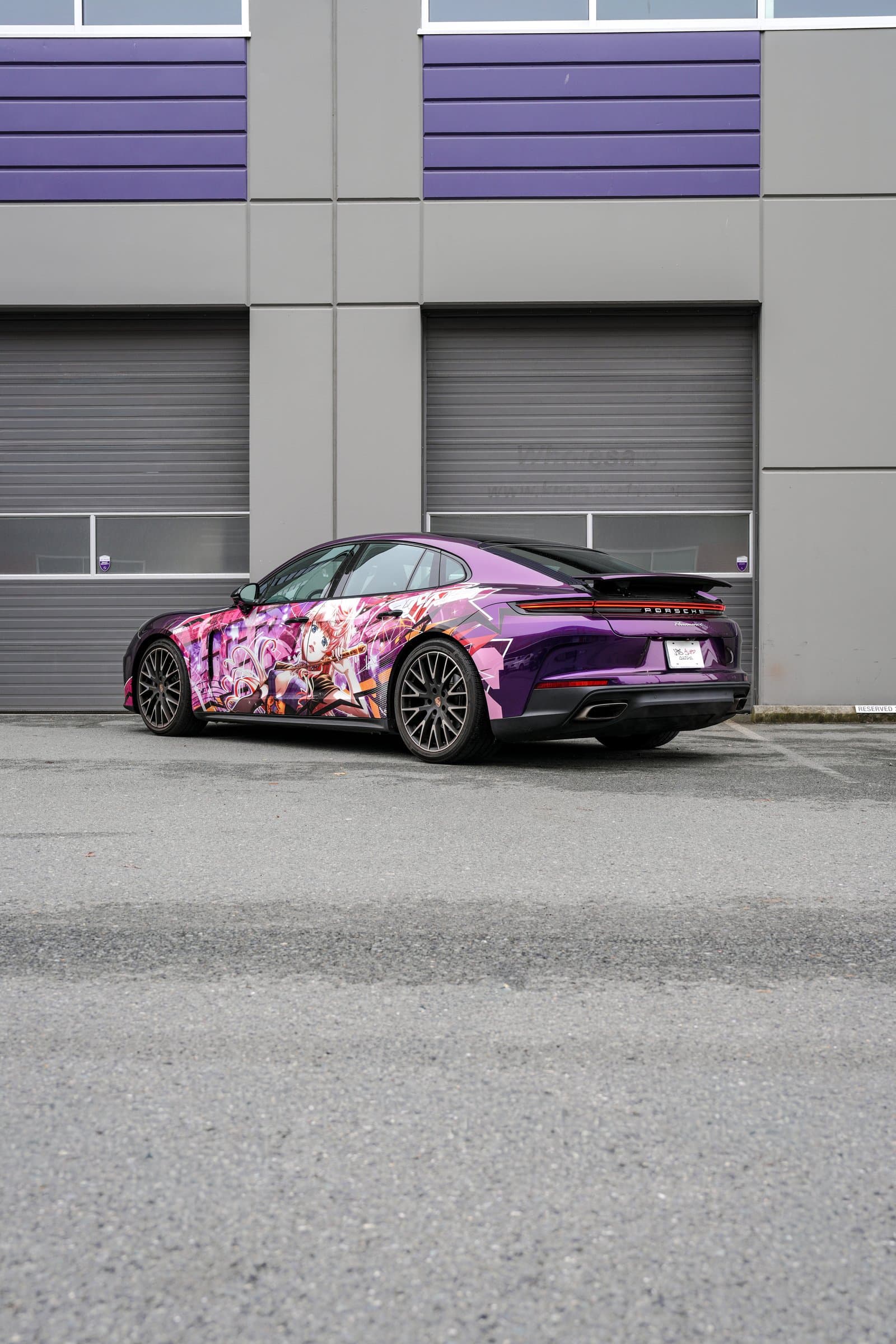
Related project: Porsche Panamera Purple Itasha Anime Wrap