
Why Tyre Pressure Changes More in Vancouver Than Elsewhere
Published
Vancouver drivers face a tyre pressure problem that does not exist in many other cities: the city experiences some of the most dramatic temperature swings of any climate in Canada within a single season, and tyre pressure changes by approximately 1 psi for every 10 degrees Celsius change in ambient temperature. A tyre that is perfectly set in October can be significantly over- or under-inflated by January, and neither condition is safe on the road.
How TPMS works and what it is telling you
A tyre pressure monitoring system is not just the amber warning light on your dashboard. Most vehicles with direct TPMS display real-time tyre pressure readings for each wheel on a screen in the cabin, giving you a live picture of what is happening to each tyre rather than waiting for the light to come on.
When the TPMS light illuminates, it means one or more tyres has dropped to 25 percent or more below the vehicle manufacturers recommended pressure. That is not a gentle warning - at that point the tyre is already underinflated enough to affect handling and braking distance, and to generate excess heat at speed. Stop at the first safe opportunity and check the tyre.
Cold weather has a direct and measurable effect on tyre pressure. When the temperature drops overnight in a Vancouver winter, tyre pressure can fall by several psi in a single night on a vehicle that was correctly inflated the previous afternoon. This is why tyres that were set correctly in the morning can trigger TPMS warnings by the evening in cold weather - the pressure has not leaked, it has simply contracted with the temperature.
Seasonal pressure adjustment in Vancouver climate
The practical implication of Vancouvers temperature range is that tyre pressure set in warm late-summer months will be measurably lower once winter arrives, and tyre pressure set in the coldest part of January will be noticeably higher by April. For vehicles driven on Highway 1, the North Shore, or the Sea to Sky corridor, this seasonal swing is worth accounting for.
A rough guide is to check and adjust tyre pressure when the season changes significantly - roughly when daily highs shift by 15 degrees or more. Most shops will check and top up tyre pressure at no charge; a tyre pressure gauge costs less than ten dollars if you prefer to do it yourself.
If you use nitrogen-filled tyres, the advantage in Vancouver is that nitrogen pressure changes more slowly with temperature swings than air, meaning the tyre holds its pressure more consistently through seasonal transitions. The trade-off is that when you do need to adjust pressure, you need to add nitrogen rather than air.
Checking your tyres before a long drive
Before a longer trip on B.C. highways - the kind of drive where a breakdown is inconvenient at best and dangerous at worst - a quick tyre inspection takes two minutes and covers the basics: look at each sidewall for cuts, cracks, or bulges; press your thumb into the tyre tread and check that the tyre has adequate tread depth; and check that all four tyres are wearing evenly across the width of the tread.
Uneven wear across the tread width usually indicates incorrect tyre pressure, a wheel alignment issue, or a worn suspension component. If you are seeing uneven wear on an otherwise well-maintained tyre, it is worth getting the alignment checked before it costs you more tyre life.
JRS Auto Customs handles tire pressure checks and TPMS sensor service as part of routine maintenance. We can also inspect for uneven tyre wear and advise on whether a wheel alignment is needed. See our tires service page for more on what we cover.
If you have any questions about tyre pressure, TPMS, or whether your tyres are due for replacement before a longer drive, give us a call or stop by the shop.
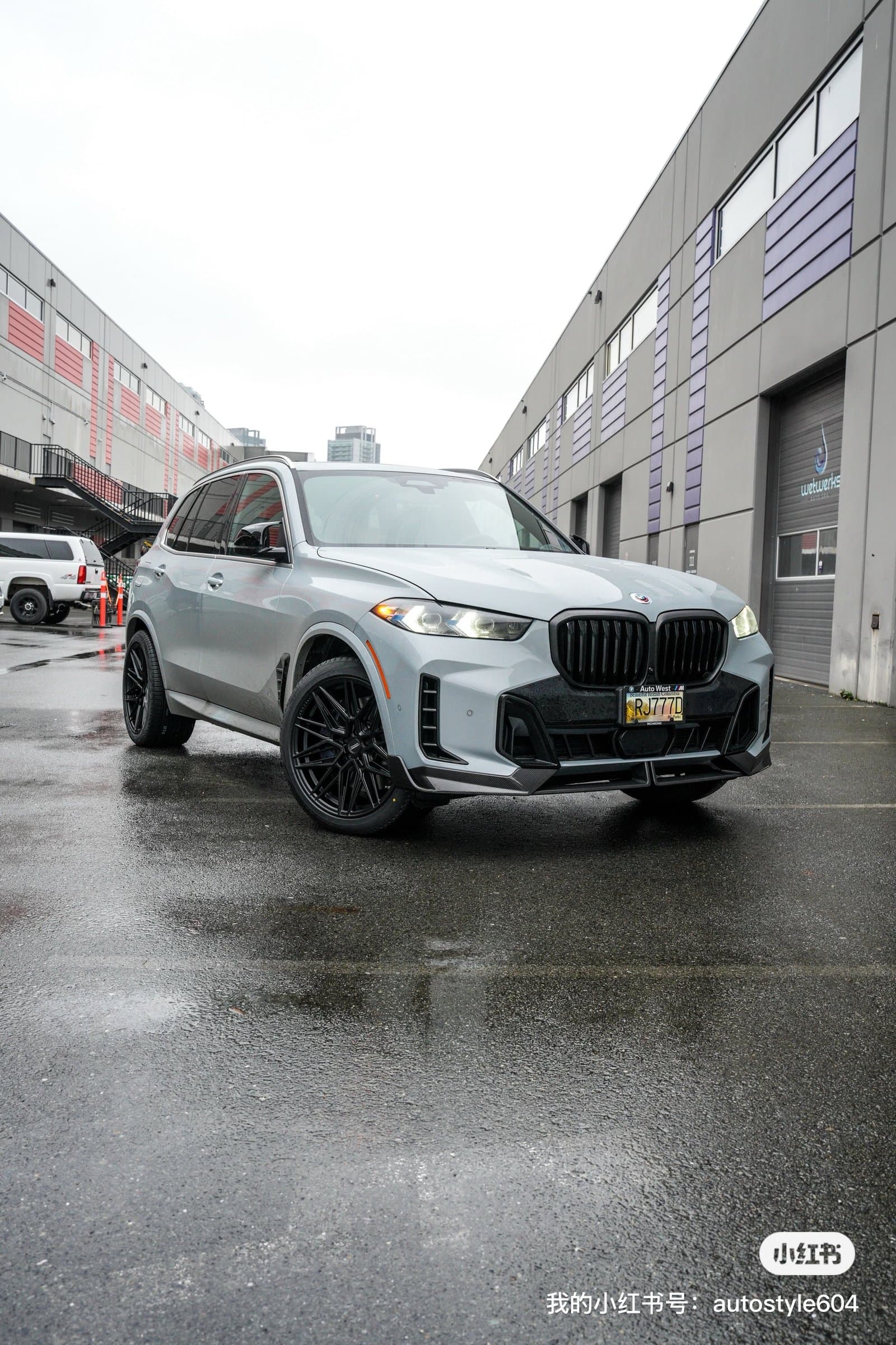
Related project: BMW X5 Vossen HF7 Wheel Upgrade