
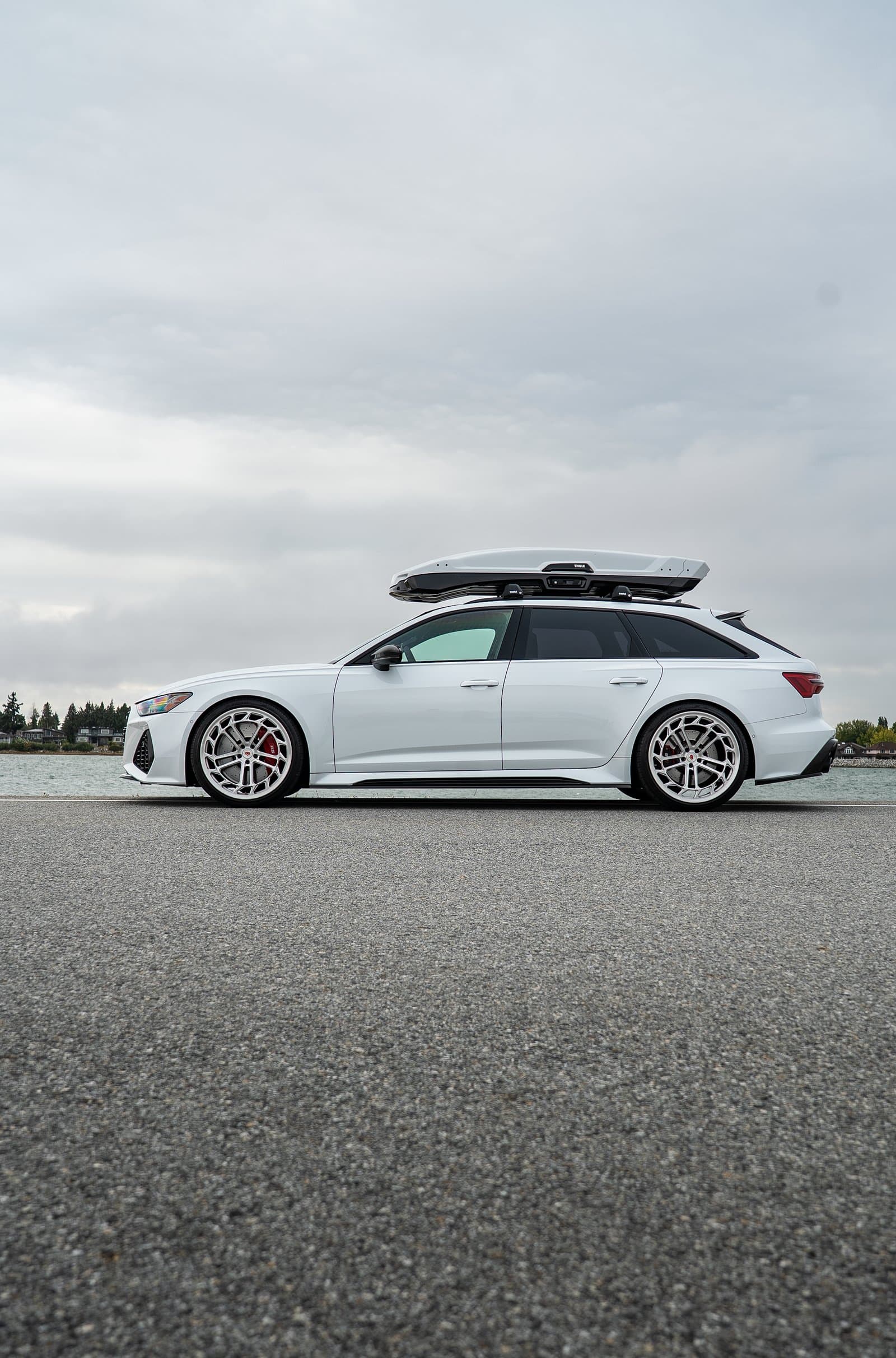
What Changes When You Upgrade Wheels in Vancouver
Published
Swapping wheels is one of the most satisfying upgrades you can make to a car. The moment new wheels go on, the whole vehicle looks different. But behind that first-impression transformation there are real practical consequences -- some of them specific to how we drive in Vancouver. This guide walks through what actually changes when you upgrade your wheels, so you can make a confident decision rather than a costly one.
Fitment: Why the Numbers on a Wheel Matter
Wheel fitment is the combination of width, diameter, offset, and bolt pattern that determines whether a wheel physically bolts onto your car and how it sits in the wheel well. The numbers matter because a wheel with the wrong offset will rub the fender or the suspension components. A wheel that sits wider than your fender will catch mud and salt, accelerating corrosion along the inner lip.
In Vancouver, this matters more than in many other cities. Road crews apply grit and brine to icy roads, and that material gets flung into the wheel wells with every spin. A wheel that sits flush with the fender takes the full force of that spray. A slightly tucked fitment gives the inner liner a chance to deflect some of it. When you are planning an upgrade, ask your shop whether the fitment they recommend will change how road grime reaches your paint.
Unsprung Weight and How Your Car Responds
Every pound of wheel and tire weight that sits outside the suspension is called unsprung weight. This is the mass the suspension has to control over every bump, pothole, and transition. Reducing unsprung weight -- moving from a heavier cast wheel to a flow-formed or forged wheel -- makes the car feel more responsive. It also reduces the impact force transferred through the suspension on rough roads.
Vancouver's streets are a mix of smooth arterial roads and rougher neighbourhood streets. A lighter wheel makes a noticeable difference on those rougher stretches. The ride quality improvement is subtle but consistent, and over months of driving it adds up to less fatigue.
Keeping Them Clean Through the Wet Season
Vancouver gets roughly 1,200 millimetres of rain a year. In that environment, brake dust, road film, and mineral deposits from hard water accumulate on wheel faces quickly. Multispoke wheels with exposed faces catch the eye but they also catch everything the road throws at them. A solid dish wheel is easier to keep presentable through the winter.
If you have invested in a quality wheel set, protecting them from the start pays off. Ceramic coating on the wheel face and barrel creates a hydrophobic surface that makes road grime easier to wash off and harder for brake dust to bond to. It is a practical step that also keeps the wheels looking fresh between washes.
Protecting the Wheels You Already Have
If you have already upgraded your wheels, the question shifts from what to buy to how to keep them in good condition. Brake dust is acidic and, if left on a bare alloy surface for days, can etch the finish permanently. Mineral deposits from automated car washes can leave water spots that are difficult to remove without a clay bar treatment.
The most effective maintenance routine for Vancouver wheel owners is simple: rinse your wheels with cold water before they cool down completely after a drive. The heat helps release road grime. Use a pH-neutral wheel cleaner and a soft-bristle brush -- never an abrasive pad on a painted or machined wheel face. Dry with a microfibre cloth to prevent water spots. A ceramic coating maintenance layer applied every six months keeps the surface slick and reduces how much effort each wash requires.
JRS Auto Customs applies ceramic coating to both the wheel face and barrel as part of its Gyeon Syncro EVO package, which is designed to protect wheels through the full Vancouver driving year. If you are in Vancouver and your wheels have not had any surface protection applied, it is worth discussing options with a detailing specialist before the winter season puts them to the test.
Whether you are choosing your first set of aftermarket wheels or protecting a set you already own, understanding what changes -- and what to protect -- helps you get the most out of the upgrade. Visit our wheel services page to see what JRS offers, or explore ceramic coating options for wheel protection.