
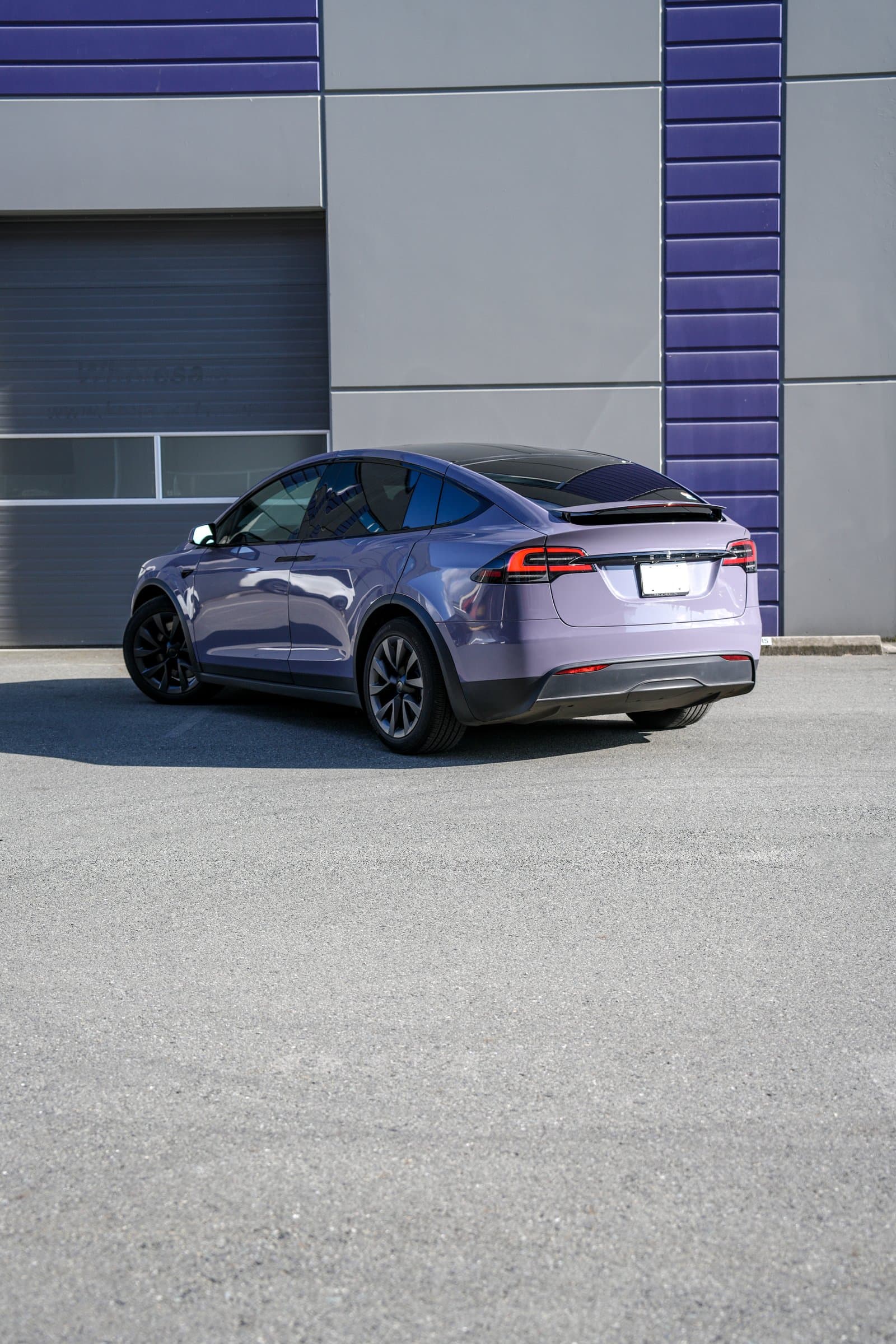
What Window Tint Actually Does for Your Car
Published
Most people who get window tint think primarily about how it looks. Dark glass is a visual statement. But tint is also a functional modification, and understanding what it actually does helps you make a better decision about which type and darkness level to choose - and whether it is worth it for how you use your car.
What Window Tint Actually Blocks
Automotive window film blocks three types of radiation: ultraviolet (UV), infrared (IR), and visible light. Each is blocked to a different degree depending on the film type and darkness level.
UV radiation is the smallest wavelength of the three and is responsible for interior fading, skin ageing, and some heat. Quality window films block 99 percent or more of UV radiation regardless of darkness level - even a lightly tinted film can provide full UV protection. This is one of the most meaningful benefits of tint that people underestimate.
Infrared radiation is the wavelength responsible for heat. IR from sunlight is what makes a car interior hot on a sunny day. IR-blocking films - particularly ceramic and carbon films - reduce the amount of infrared heat that passes through the glass. The amount of IR blocked depends on the film quality: higher-quality ceramic films block more IR than basic dyed films, often at lower darkness levels.
Visible light is what you see when you look through the glass. Darkness level is measured in visible light transmission (VLT) - the percentage of visible light that passes through. A 35 percent VLT film allows 35 percent of visible light through. Darker films block more visible light, which reduces glare from bright sun and oncoming headlights, but also reduces your own visibility, particularly at night.
The Film Types - and What Each One Actually Does
Dyed film is the most basic type. It works by having a layer of dye absorb visible light and some IR radiation. It reduces glare and provides UV protection. It does not block as much IR heat as other film types and will fade over time as the dye breaks down. It is the least expensive option.
Metalised film uses a thin layer of metallic particles embedded in the film to reflect both UV and IR radiation. It provides better heat rejection than dyed film and is more durable. The metallic content can interfere with electronic toll transponders and in some cases satellite radio and phone signals.
Ceramic film is the highest-quality consumer option currently available. It uses nano-ceramic particles to block IR radiation without the metallic content that interferes with electronics. It provides the best combination of heat rejection, UV protection, and signal clarity. It costs more than dyed or metalised film, but the performance difference is measurable.
What Tint Does Not Do
One common misconception is that a darker tint keeps a car cooler more effectively than a lighter ceramic film. This is not necessarily true. A high quality 35 percent ceramic film can block more infrared heat than a 20 percent dyed film, because heat rejection depends on the film technology and IR-blocking performance, not darkness level alone.
Another misconception is that tint makes night driving safer by reducing glare. While it does reduce the intensity of oncoming headlights, it also reduces your overall visibility, particularly on unlit roads. The safety trade-off depends on how much you drive at night and in what conditions.
Tint does not make a car invisible at night from the inside. From the outside, darker tint makes it harder to see into the car. From the inside, a darker tint means you see less of the outside world - especially important at junctions and pedestrian crossings where reduced visibility is a safety concern.
BC Legal Requirements for Window Tint
BC regulates the minimum VLT allowed for each window. The front windshield must allow at least 70 percent VLT - only a light strip along the top of the windshield is exempt from this. The front side windows must allow at least 70 percent VLT. The rear side windows and rear windshield have no minimum VLT requirement - they can be tinted as dark as you want.
BC does not use a percentage-based inspection standard for tint during a regular vehicle inspection - enforcement is primarily done by police during a traffic stop. A tint that is too dark on the front windshield or front side windows can result in a violation ticket. When having your windows tinted, confirm the VLT of the film chosen meets the 70 percent front glass requirement.
Is Window Tint Worth It for Vancouver Drivers
For most Vancouver drivers, the answer is yes - with a qualification. The UV-blocking benefit alone is meaningful: the interior of your car - dashboard, leather seats, steering wheel, and trim - will fade more slowly with UV protection. For vehicles with leather interiors, which are common in the luxury and import market Vancouver attracts, UV protection is a genuine preservation benefit.
The heat rejection benefit is real but variable. On a hot clear day in Vancouver - which does happen, particularly in May through September - a good ceramic tint makes a measurable difference to interior temperature and reduces air conditioning load. On overcast days, which are common in Vancouver, the benefit is less obvious.
The practical recommendation for most Vancouver drivers is a quality ceramic tint at the legal maximum for the front glass - 70 percent VLT - and a darker film on the rear side windows and rear windshield where there is no minimum requirement. This gives you UV protection, meaningful heat rejection, and privacy at the rear of the vehicle without creating a safety concern at the front.
Explore the full range of window tint options and film types available through JRS Auto Customs. Or book a window tint consultation to discuss what film type and darkness level makes sense for your vehicle and driving patterns.
Related project: Tesla Model X — Provence Purple Color Change