
Keeping Your Window Tint in Good Shape in Vancouver
Published
Window tint is one of those upgrades that looks finished once it is installed — but the weeks and months that follow determine whether it stays that way. Vancouver's climate presents some specific challenges for tinted windows, and knowing what to expect helps you protect the investment from day one.
The Curing Period: What Happens in the First Week
After window film is installed, it needs time to fully bond to the glass. This curing process typically takes three to seven days in warm, dry conditions. During this window, it is normal to see small water pockets or a slightly hazy appearance as the adhesive settles — this is not a defect. Attempting to push the water out or rolling the windows down too soon can shift the film or trap water permanently at the edges.
In Vancouver's damp autumn and winter months, the cure can take longer than in dry climates. Parking in a covered garage during the curing period, if you have one, makes a measurable difference. If not, try to keep the vehicle indoors overnight and avoid heavy rain on freshly tinted windows for the first 48 hours.
Cleaning Tinted Windows: What Works and What Damages the Film
The most common cause of premature tint failure is improper cleaning. Ammonia-based glass cleaners are the primary culprit — ammonia breaks down the adhesive under the film and causes it to peel, discolour, or develop a purple haze over time. Any cleaner labelled 'glass and window' from a grocery store should be checked: most contain ammonia.
The safest approach for cleaning tinted windows is plain water with a small amount of mild dish soap, applied with a soft microfibre cloth. Avoid paper towels, abrasive sponges, and anything that刮擦. Spray the solution onto the cloth first — never directly onto the glass where it can pool at the edges and work under the film.
Common Problems and What They Signal
Bubbles that do not clear after the curing period are usually a sign that moisture was trapped during installation or that the adhesive did not bond evenly. Small bubbles at the edges can sometimes be addressed with a credit card worked gently toward the edge — but only after the film is fully cured. Larger bubbles or widespread haziness usually indicate an installation issue that needs professional attention.
Purple or blue discolouration on window film is almost always caused by ammonia exposure — either from cleaning products or from the off-gassing of some dashboard dressings or air fresheners that settle on the glass. It is irreversible once it sets in. Prevention is the only reliable solution.
Peeling at the edges is most commonly caused by moisture getting behind the film — often from car washes, pressure rinses, or window cleaner applied too liberally. It can also be caused by the adhesive failing due to age, heat exposure, or prolonged moisture contact.
Vancouver's Seasonal Effects on Window Tint
Summer heat in Vancouver is generally mild compared to other Canadian cities, which actually helps window film last longer here. However, direct sun exposure through large rear or side windows can still cause the film at the edges to lift slightly over years, particularly on vehicles parked outdoors all day.
The more relevant seasonal challenge is winter road film — the oily residue that builds up on all windows during the wet months, from a combination of road grime, exhaust, and condensation. This film accumulates faster on tinted glass than on clear glass because the slight texture of the film holds the residue. Regular cleaning is the only fix; there is no coating that eliminates the need for it.
Fogging at the edges of windows during temperature swings — common in Vancouver's spring and fall — is not caused by the tint itself but by moisture trapped in the door panel. If it persists outside of temperature-change situations, have the door seals checked.
When to Consider Re-Tint or Professional Assessment
If your tint shows any combination of widespread bubbling, discolouration across multiple panes, or peeling that is spreading beyond the edges, it is worth getting a professional assessment. Tinting over failed film without removing it first is rarely successful — the new film bonds to the old adhesive rather than the glass, and the underlying problems remain.
BC law sets specific visible light transmission (VLT) limits for window tint on front side windows and the front windshield. Before re-tinting or adjusting your current film, it is worth reviewing the current requirements. JRS Auto Customs can advise on compliant options. Maintenance services covers general window care and assessment; window tint services is where you can find details on film options and installation.
Keeping tinted windows in good condition is mostly a matter of using the right cleaning products, keeping them dry during the cure period, and addressing any problems early before they spread. A set of windows that was installed correctly and cleaned properly will last significantly longer than one that was not.
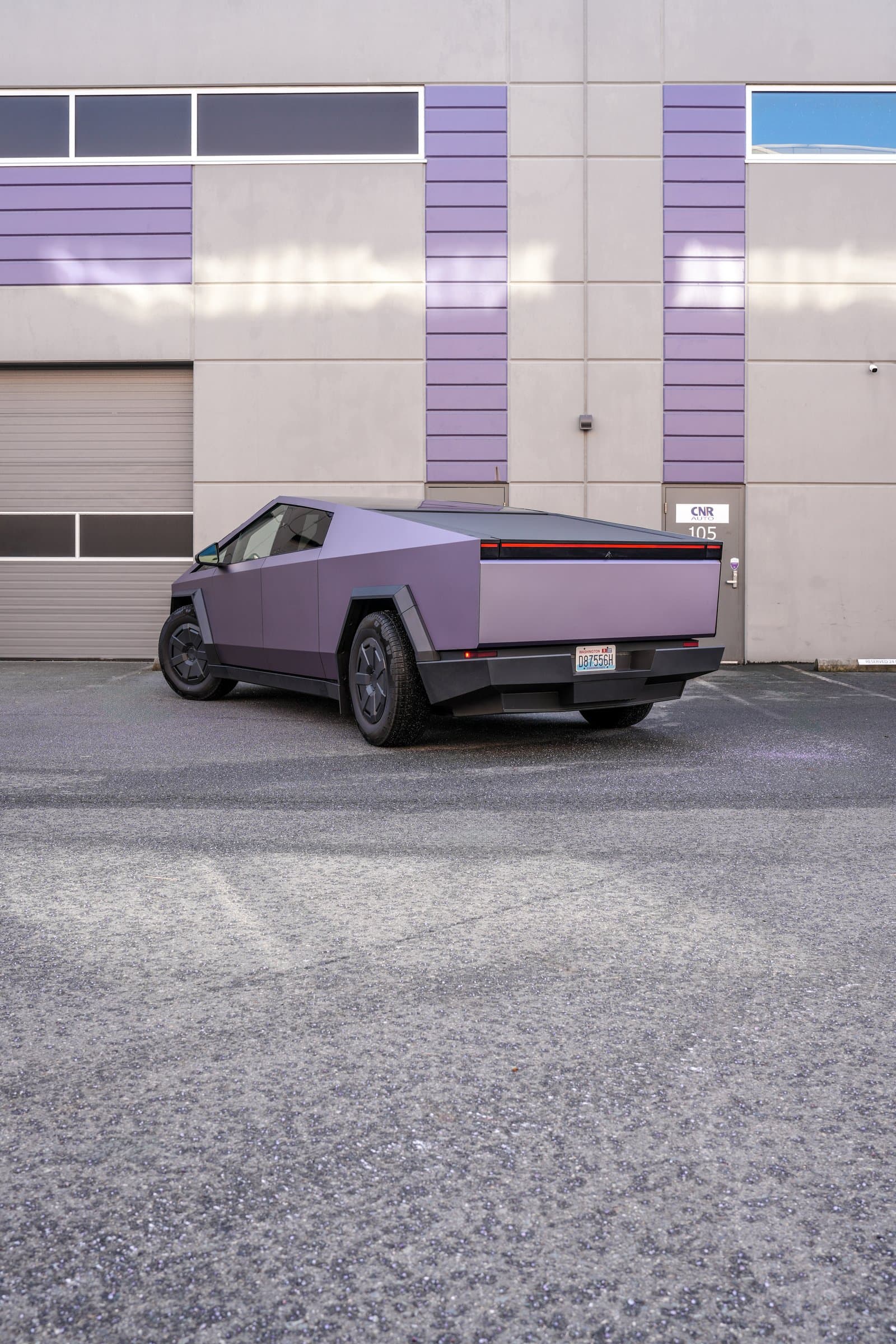
Related project: Tesla Cybertruck — Capri Grey Purple TPU Color Change