
How to Stop Your Windshield Fogging Up in Vancouver
Published
Foggy windshields are one of the most common climate-control complaints in Vancouver. You get in the car, close the door, and within seconds the glass is opaque. It is not a sign that something is broken — it is physics. But there are things you can do to manage it faster and prevent it from happening on every commute.
Why Vancouver makes windshield fogging so common
Fog forms when warm, moist air hits a cold surface. In Vancouver, the inside of your windshield is often colder than the cabin air because the glass conducts heat outward quickly — especially overnight or after the car has been sitting in cool temperatures. When you get in and close the door with several degrees of temperature difference between the glass and the air, the moisture in your breath and from damp clothing condenses on the glass instantly. This is the same physics as a bathroom mirror fogging after a shower.
Vancouver's climate makes this worse than most Canadian cities. The city is mild in winter by national standards — rarely dropping to the sustained deep freeze that dries out the interior of cars parked outside in Edmonton or Calgary. That relative warmth means there is more moisture in the air overall, and vehicles that are parked outside through the night never fully dry out. Even on a dry day, getting into a car that has been parked in a cold garage will produce some fogging if there is any moisture present inside the cabin.
The North Shore mountains and surrounding topography also trap moisture and create microclimates — certain neighbourhoods stay noticeably more humid than others. If you are driving from a drier part of the city into a foggy pocket near the water, the temperature differential between inside and outside can flip rapidly, causing unexpected fogging mid-drive.
How to defog your windshield quickly and correctly
The instinct most people have is to blast the heater on full heat and point everything at the windshield. This often makes fogging worse before it gets better. Recirculation mode, which many drivers use in cold weather to keep warm air inside the car, traps existing moisture inside the cabin and raises the humidity. With recirculation on, the fog has nowhere to escape.
The correct approach is to use fresh air mode — bringing outside air into the cabin — and direct it at the windshield. Start with the fan on low to medium and use the temperature control to match or slightly exceed the cabin temperature rather than overheating the glass suddenly. If your vehicle has an A/C button, pressing it activates the evaporator core, which removes moisture from the air passing over it. Most modern cars do this automatically when you select defrost, but on older vehicles you may need to press the A/C button manually.
Wiping the glass with a clean microfibre cloth while you wait for the system to catch up is effective for the outer surface. Do not use your sleeve or a regular cloth — these leave streaks and can transfer oils that make fogging worse on subsequent drives. Keeping a dedicated microfibre cloth in the glove box takes thirty seconds and makes a meaningful difference.
What fogging reveals about your cabin
If fogging is heavy and slow to clear even with the climate system running properly, it may indicate excess moisture inside the cabin. Common sources include damp floor mats — particularly in winter when snow and slush are tracked in on boots — a leaking door seal, or moisture absorbed into the upholstery. Vehicles with leather interiors that are regularly exposed to wet conditions are particularly prone to moisture retention in the seat padding and carpet underneath.
Window tint can reduce the temperature differential that causes fogging by improving the insulation of the glass. A ceramic tint — available through JRS Auto Customs as part of its window tinting services — adds a thermal barrier that slows heat transfer through the glass. This does not eliminate fogging entirely, but it reduces how often it occurs and how quickly it clears when it does. For vehicles that experience frequent fogging, it is one of the more practical modifications available.
If persistent fogging is a problem on your daily drive, a professional interior detail before winter removes accumulated moisture from the carpet, floor mats, and upholstery and treats the cabin against the interior sources of humidity. JRS Auto Customs offers interior detailing that addresses the root causes of cabin moisture rather than just the surface symptoms.
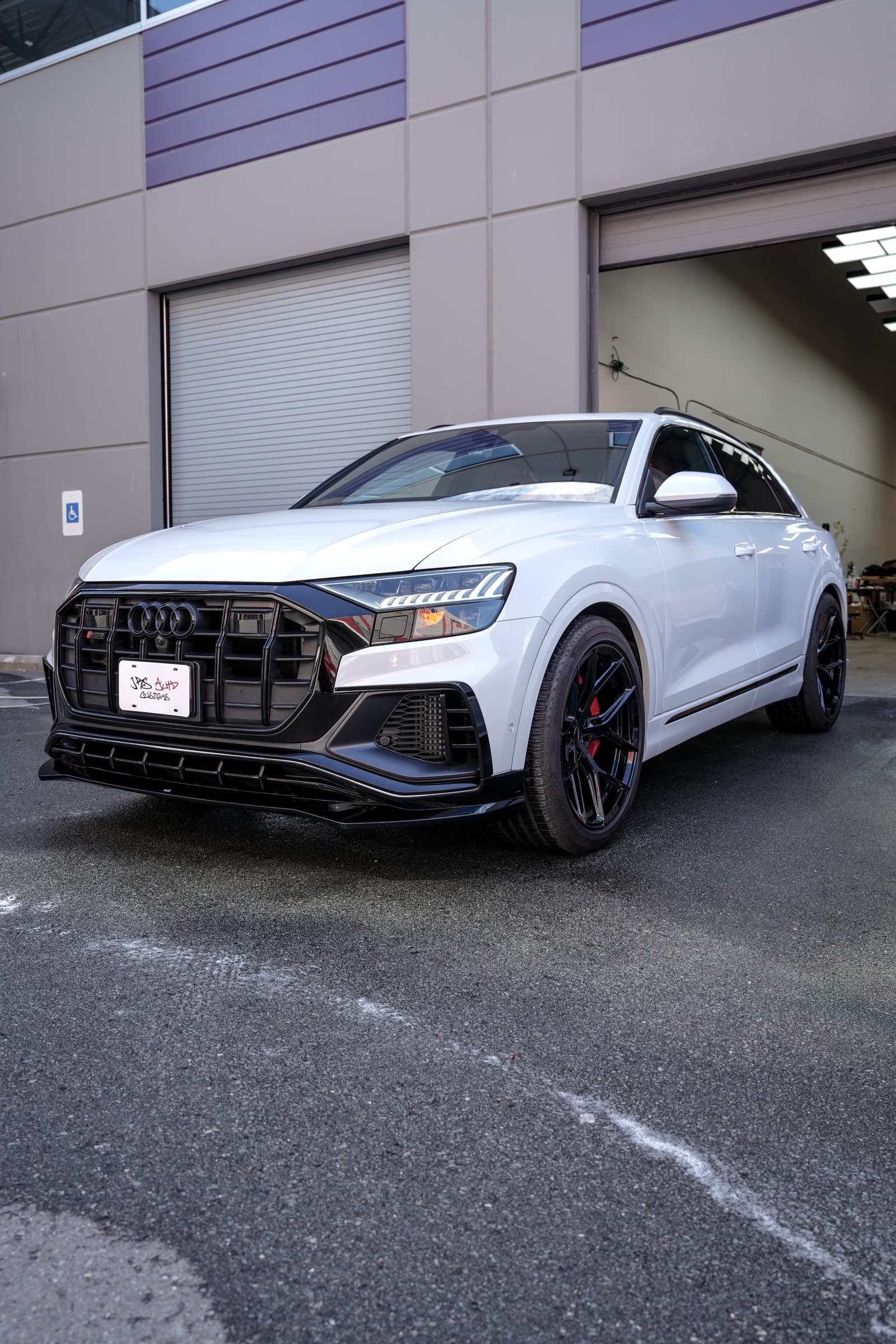
Related project: Audi SQ8 ABT Body Kit & Vossen HF5 Wheels