
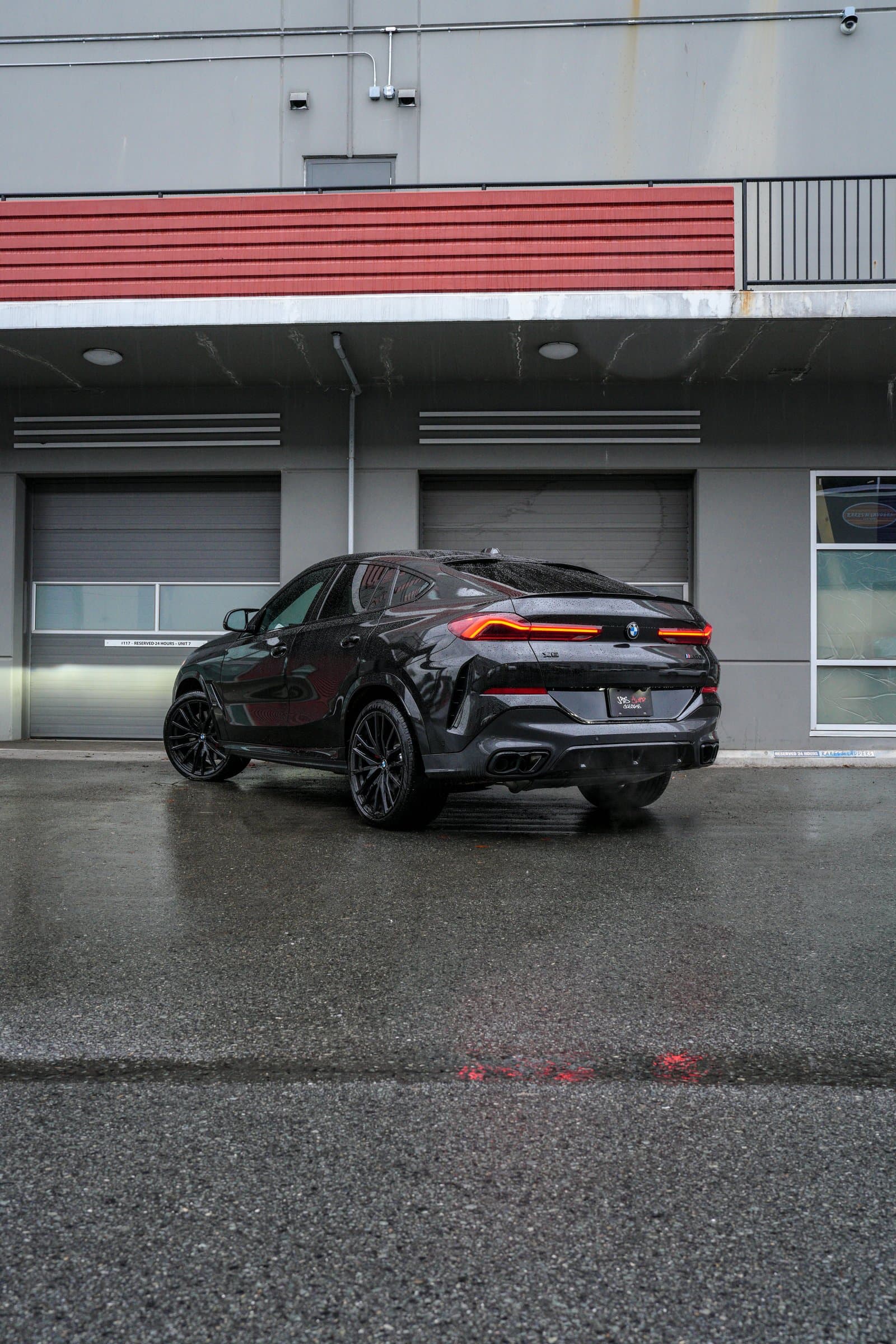
Winter Car Storage: What Vancouver Drivers Should Do First
Published
Vancouver's combination of rain, below-freezing temperatures, road salt and coastal humidity makes winter a demanding season for car storage. If your car will be parked for more than a couple of weeks — whether in an outdoor lot, an uncovered driveway or a shared garage — a few deliberate steps before you park it can prevent the kind of damage that reveals itself expensively come spring. Here is what to do before you walk away.
Fuel system and battery — the two highest-risk items
A fuel tank left sitting with a partial fill over winter accumulates condensation. In a heated underground parkade the effect is slower, but in an outdoor or uncovered space, temperature swings between day and night drive condensation formation inside the tank. This is particularly a problem in Vancouver where winter temperatures hover around freezing and occasional warm spells are common. A nearly full tank minimises the air space available for moisture to accumulate.
A battery left connected and unused in cold weather will be significantly discharged by the time you return to the car — or dead entirely. If you will be gone for more than three weeks, disconnect the negative terminal. For extended storage of a month or more, a battery maintainer — a smart trickle charger that plugs into a wall outlet and clips onto the terminals — keeps the battery at an optimal charge without overcharging. Do not use a standard charger for long-term storage.
Tyres and parking surface — more important than most people realise
When a car sits stationary, the load-bearing section of each tyre flattens slightly under the vehicle weight. Over weeks and months, this creates flat-spotting — a permanent deformation in the tyre that causes vibration and uneven wear when you drive again. The risk is highest in cold weather when tyre rubber is stiffer.
Tyre flat-spotting from a long winter park is avoidable. The most effective method is to slightly overinflate the tyres before storing the car — by approximately five to ten PSI above the normal running pressure. This reduces the deformation in the sidewall and contact patch. Alternatively, move the car forward or backward slightly every few weeks to shift the load to a different section of the tyre.
Parking surface matters too. Concrete is cold and can accelerate battery drain and tyre stiffening. Asphalt is slightly warmer but still cold. A garage — even an unheated one — is meaningfully warmer than outdoor parking in a Vancouver winter. If outdoor parking is your only option, a breathable car cover over the vehicle reduces the direct exposure to rain and frost that accelerate surface cooling.
Windscreen washers and coolant — the invisible risk
Standard windscreen washer fluid is not freeze-proof below approximately minus two degrees Celsius. If your car is parked outside in a Vancouver winter freeze, fluid in the washer lines and reservoir can freeze, and in severe cases can crack the washer fluid pump or damage lines. Drain the system or replace the fluid with a winter-formula washer fluid rated to at least minus forty degrees before storing.
Coolant that is due for replacement before storage is better replaced before the car is parked rather than left to degrade further. Old coolant has reduced corrosion inhibition properties, and during a long storage the stagnant coolant in the block and heater matrix is more prone to internal corrosion than when the engine is regularly running and reaching operating temperature.
Exterior and undercarriage preparation
Wash the car before storing it — particularly the lower body panels and wheel arches. Road salt is hygroscopic and absorbs moisture from the air, keeping metal surfaces wet long after the last rain. On a clean car, it is easier to see if any stone chips have exposed bare metal — those chips should be touched up before storage to prevent rust from starting over the winter months.
A coat of wax or a quick-detail spray on the paint surface adds a thin hydrophobic barrier that reduces how readily moisture adheres to the paint. This is a low-effort step with real benefit over a winter storage period. Interior moisture is also worth addressing: a bag of descicant or a moisture-absorbing container inside the car reduces humidity that leads to mould and fogged windows when you return.
Coming back to the car after winter storage
Before driving, do a visual inspection of the tyres for flat-spotting and check all tyre pressures — they will likely have lost pressure over the storage period and during the temperature swings. Reconnect the battery if it was disconnected. Check that the brakes are free — rotors can develop surface rust over a long stationary period, which usually wears off within the first few brake applications but should be tested carefully before highway driving.
If the car has been stored with fuel in the tank for more than a few months, consider using a fuel system treatment when you next fill up — fuel degradation is slow but real over extended storage periods.
For more on car storage options and protection services at JRS Auto Customs, see the maintenance page. For year-round car accessories including battery chargers and car covers, see the daily essentials page.
Related project: BMW X6 M60i — Metallic Black 3M Wrap