
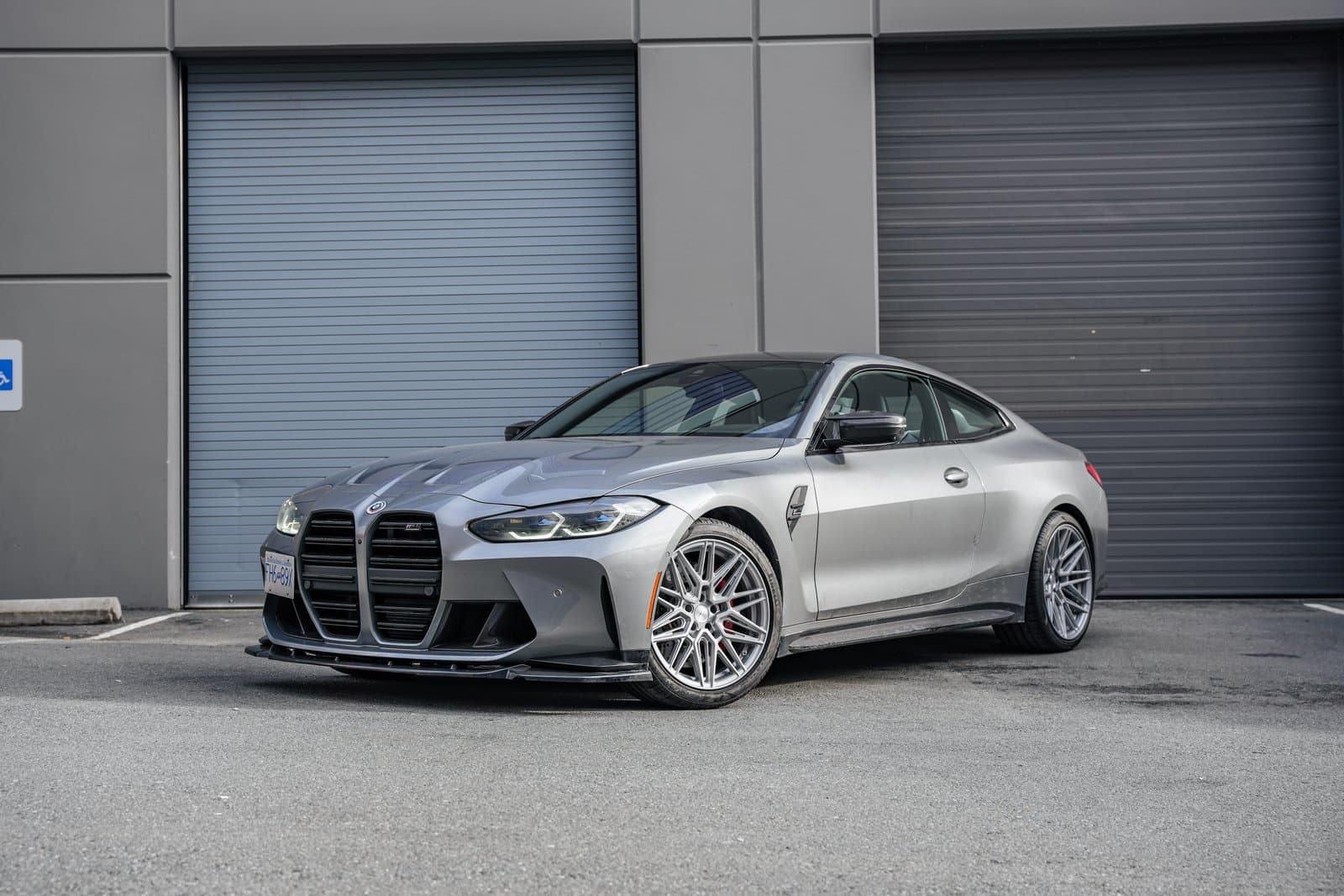
Roof Wraps in Vancouver: Do You Need One?
Published
Roof wraps are one of the most underutilised upgrades in the Vancouver car customisation scene, and most drivers don't even consider them. But if you're already planning a colour change on your car, the roof is one of the first panels that should make it onto the list. Here's why — and what to know before you decide.
What a Roof Wrap Actually Is
A roof wrap is a colour change or protective film applied to the roof panel of a vehicle — the horizontal surface that sits at the top of the cabin. Unlike a full-car colour change, a roof wrap targets just this one panel. The result is either a two-tone look (the roof in a contrasting colour to the body) or a premium matte or satin finish on an otherwise gloss vehicle. It's a deliberate design statement, and one that has become increasingly common on sports cars and luxury vehicles in Vancouver.
The material is the same as a full colour change wrap: cast vinyl or TPU film with adhesive backing, printed or solid-colour, and finished with a protective clear coat in most professional installations. The process is faster than a full wrap because the panel is smaller and relatively flat, which also makes it more affordable.
Why Vancouver Drivers Specifically Should Consider One
Vancouver's climate makes a compelling case for roof wraps that many other cities don't have. The roof panel sits at the top of the vehicle, fully exposed to BC's strong coastal sun in summer and to road salt mist that rises in winter. Unlike the side panels and hood, the roof isn't splashed by rain from passing vehicles, which means it dries more slowly — and standing water on any painted surface accelerates paint degradation.
In the city, the roof also catches everything that falls from trees overhead: sap, bird droppings, pollen, and falling leaves. These contain acidic compounds that etch into clear coat over time if left sitting. On a flat horizontal surface, they don't wash away quickly — they bake onto the paint in the sun. A vinyl or TPU film on the roof provides a replaceable barrier against all of these factors, and because the panel is small, replacing the film costs a fraction of what a respray would.
For drivers who park outdoors year-round — which is most Vancouver residents — the roof takes more sun exposure than almost any other panel on the car. A matte black or carbon-look roof wrap in particular can look striking against a gloss white, silver, or pearl vehicle, and it doesn't show the minor scratches and weathering that untreated roof paint accumulates over a few seasons.
Two-Tone Design: When the Roof Contrasts the Body
The most common reason to wrap just the roof is to achieve a two-tone colour scheme without committing to a full respray or full wrap. This look has roots in classic car design and has cycled back into fashion in a major way — particularly on sports cars, crossovers, and luxury SUVs. The contrast between a gloss body and a matte or satin roof reads as intentional and premium, and it costs a fraction of what a custom two-tone respray would.
Popular combinations in Vancouver include a matte black roof on a silver or pearl white vehicle, a gloss black roof on a bright colour, or a carbon-fibre-look roof on a performance vehicle. The key to making two-tone work is proportion — the roof panel should look deliberate, not like an afterthought. A professional installer will help you decide whether the contrast works for your specific vehicle's roofline.
Matte, Satin, and Carbon Looks on the Roof
Beyond a solid colour, the roof panel is one of the best places to use a matte or satin finish that you wouldn't necessarily want on the whole car. A matte black roof on an otherwise gloss car creates a sophisticated contrast that's difficult to achieve any other way. Satin finishes sit between gloss and matte and offer a subtle premium look that works on almost any vehicle colour.
Carbon-fibre-look film on the roof is popular on performance vehicles. It adds a motorsport aesthetic without the weight or cost of a genuine carbon fibre panel, and it's reversible — unlike a painted carbon-fibre-look overlay that can't be easily removed.
Roof Wrap Durability in Vancouver's Climate
The durability of a roof wrap in Vancouver is broadly similar to a full-car wrap: expect five to seven years from a quality TPU or cast vinyl film with professional installation. The roof panel, being relatively flat and straightforward to wrap, tends to hold edges well — edge lifting is less of a concern here than on compound body panels with tight curves.
The main threat to a roof wrap in BC is UV exposure. Like all vinyl and TPU films, prolonged direct sunlight will eventually degrade the adhesive and cause the film to begin lifting at the edges. A ceramic coating applied over the film after installation adds a UV-protective layer that extends the wrap's lifespan noticeably.
Road salt and salt air don't directly damage vinyl film the way they attack bare metal, but salt residue that sits on the film over winter can work into the edges and compromise adhesion over time. An annual wash to remove salt residue is good practice for any wrapped vehicle in Vancouver.
Roof Wrap Maintenance
One of the practical advantages of a roof wrap over a roof respray is that it's repairable. If the film gets scratched or damaged in a specific area, you don't need to redo the whole roof — a patch section can be removed and replaced. For a small panel like a roof, this makes maintenance significantly cheaper than dealing with a scratched respray.
Wash the roof wrap with the same gentle auto shampoo you use on the rest of the wrapped vehicle. Avoid abrasive brushes or high-pressure jets aimed directly at the edges. A hydrophobic spray or quick detailer helps maintain the finish between washes.
Roof Wrap and BC Inspection
A colour change on the roof panel does not typically require re-registration in BC as long as the colour change is not on the full vehicle. If you change the colour of the whole car, you must notify ICBC and update the registration. A roof-only change is considered a cosmetic modification in most cases and does not trigger a registration update. Always confirm with your insurer if you're unsure.
Is a Roof Wrap Worth It?
A roof wrap is worth considering when you're already doing — or planning — a colour change on the vehicle. The incremental cost of wrapping one additional panel is modest compared to the respray alternative, and the design impact is disproportionate to the surface area involved. For drivers who want a premium two-tone look without the commitment or cost of a full custom paint job, the roof wrap is one of the highest-value upgrades available.
For vehicles that are otherwise unmodified, a roof wrap alone — in a matte black or carbon-fibre look — can completely transform the vehicle's character. It's a targeted, reversible modification that adds visual depth without touching the original paint.
See what JRS Auto Customs has done with roof and colour-change work in the colour change gallery or browse other performance and aesthetic upgrades in the portfolio.
View JRS Auto Customs colour change and full-wrap portfolio workRelated project: BMW M4 G82 on Vossen HF7 Hybrid Forged Wheels