What a Full Car Detail Includes in Vancouver
Published
The word detail covers a wide range of services, and shops use it inconsistently. A quick interior vacuum might be called a detail at some places, while at others a full detail means eight hours of work across every surface of the car. Knowing what to expect before you book saves confusion and ensures you get what you are paying for.
What a Full Detail Actually Covers
A complete professional detail typically divides into two phases: exterior and interior. The exterior phase starts with a thorough hand wash to remove loose dirt and road film. After drying, a clay bar treatment pulls embedded contaminants out of the paint surface that washing alone cannot remove — things like rail dust, industrial fallout, and old wax residue. The paint is then inspected under proper lighting and either polished by hand or machine to remove surface oxidation, swirl marks, and light scratches.
After polishing, a protective layer is applied. This can be a wax, a paint sealant, or a ceramic coating depending on the level of protection and durability you want. Wheels and tyres are cleaned separately using appropriate wheel-safe products. Glass is cleaned inside and out, including the removal of the wiper blade haze that builds up over months of use.
The Interior Detail Phase
Interior work begins with a full purge of the cabin: floor mats removed and cleaned separately, seats taken out where necessary to reach areas underneath, and the entire floor vacuumed with crevice tools to reach the seams and pedal box. All surfaces are then wiped down with appropriate cleaners — leather seats get a conditioner after cleaning, hard plastics get a UV-protected dressing, and dashboard vents are brushed out individually.
Carpet and cloth seats are shampooed or extracted depending on the material and level of soiling. Stains are treated individually. The boot or trunk is emptied, vacuumed, and cleaned. Headliner, door cards, and the steering column are all addressed. A full detail should leave the cabin in the same condition as when it left the showroom, or better.
What Adds Time and Cost to a Detail
Paint correction is the main variable. A single-stage polish removes light defects and adds shine; a two-stage or multi-stage correction cuts deeper to remove heavier swirl marks and scratches. The more stages, the longer the work takes and the more labour is involved. Paint correction alone can account for the majority of a detail bill on a car with moderate to severe paint damage.
Heavy interior staining, pet hair, mould, smoke odour, or flood damage all require additional treatments and specialist products. A car that has not been detailed in over a year will take significantly longer than one that comes in quarterly. Knowing the condition of your car going in helps the detailer give you an accurate scope and quote.
Ceramic coating application or paint protection film installation before a detail is done adds another layer of preparation — the paint must be in near-perfect condition before the coating or film is applied, which means a full multi-stage correction is typically required first. This means the detail bill can run alongside a significant protection investment.
How to Know You Are Getting a Real Full Detail
Ask what is included before you book. A real full detail should include: full hand wash, clay bar or decontamination, paint inspection, at least one stage of polish, wheel and tyre cleaning, interior vacuum and surface wipe-down, carpet or seat extraction, glass cleaning inside and out, and an air freshener or odour treatment. If the shop is quoting significantly below market rate for a full detail, one or more of these steps is likely being skipped or done by machine rather than by hand.
JRS Auto Customs in Vancouver offers professional detailing services from a maintenance wash to a full correction detail. Book a maintenance detailing appointment to get a clear scope and timeline for your vehicle.
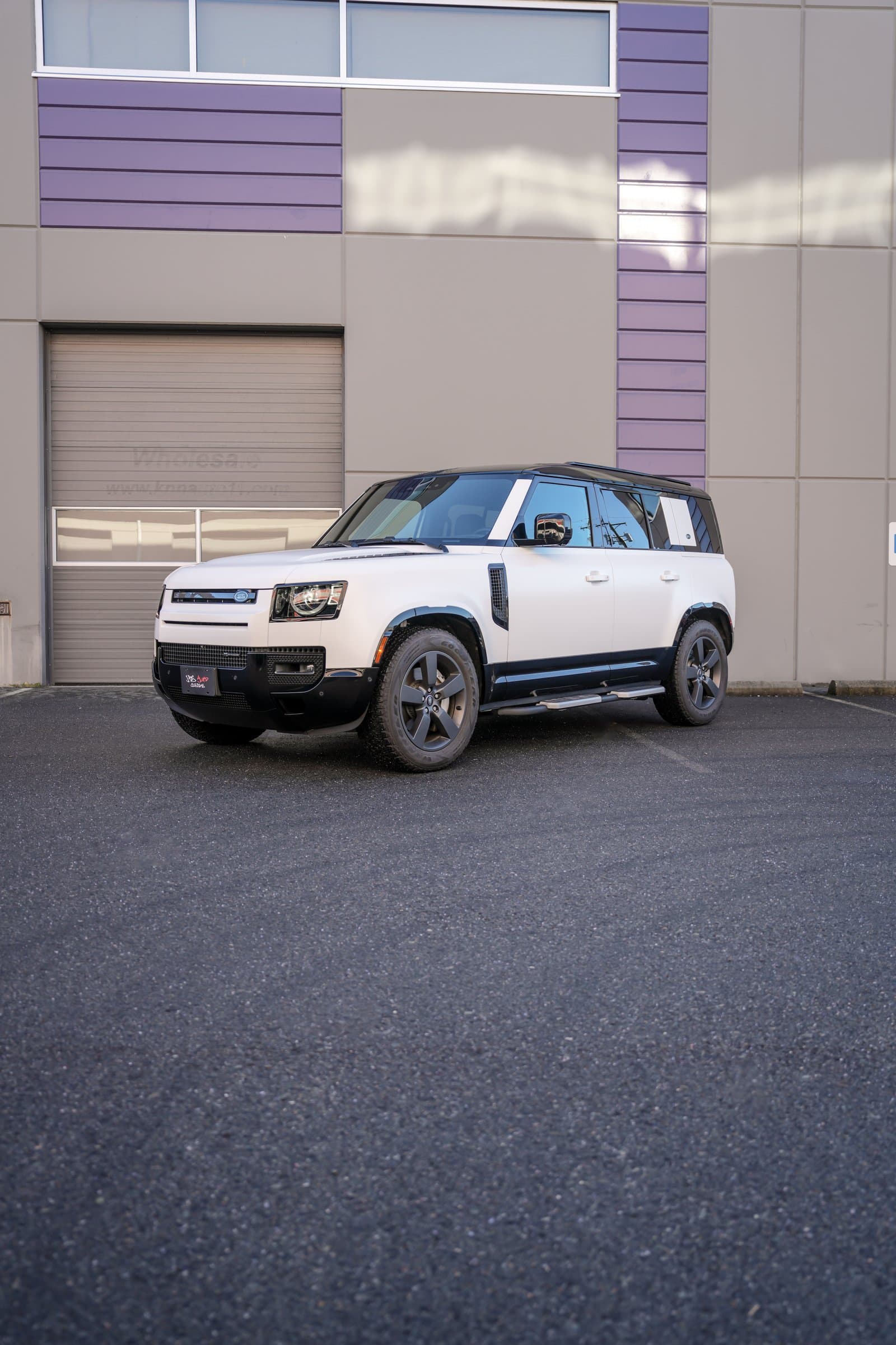
Related project: Land Rover Defender Matte White PPF