
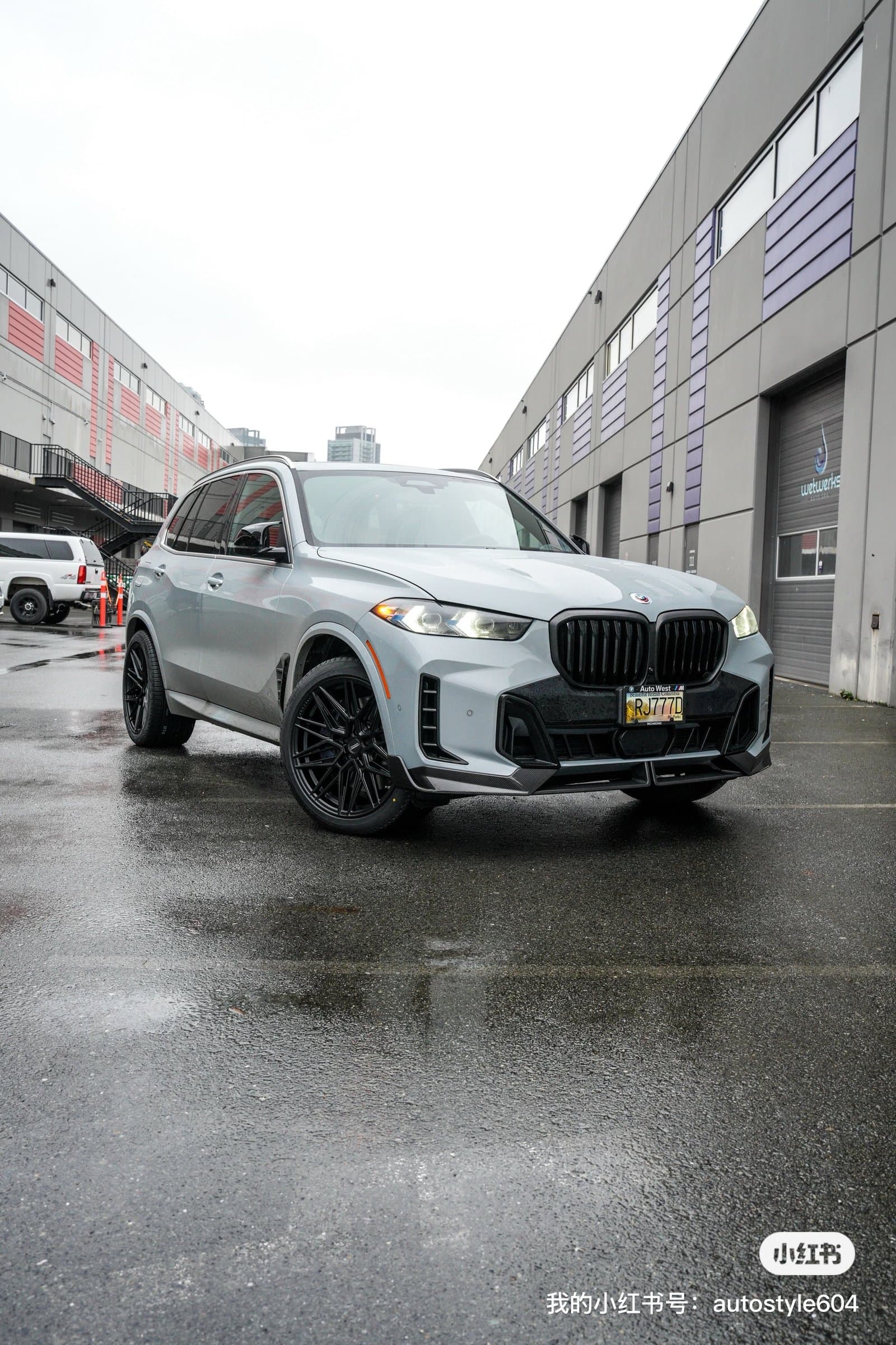
Wheel Fitment and BC Inspection: A Vancouver Driver's Guide
Published
Buying aftermarket wheels for the first time can feel like learning a new language. Offset, backspacing, hubcentric versus lugcentric, spring rate — the terms pile up fast, and the consequences of getting it wrong are real: vibration at speed, accelerated tire wear, clearance rub on the strut or fender, and in BC, potential issues at inspection time. Here is what Vancouver drivers need to know before placing an order.
Offset and Backspacing: The Basics
Offset is the distance between the wheel's mounting face and its centreline — measured in millimetres. A wheel with zero offset has its mounting face exactly at the centreline. Positive offset moves the mounting face toward the outside of the car; negative offset moves it inward, toward the suspension.
Backspacing is the distance from the mounting face to the back edge of the wheel barrel — measured in inches on most North American wheels. It tells you how much room the wheel has toward the suspension components behind it. If you know the offset, you can calculate the backspacing, but not the other way around without additional information about wheel width.
For most Vancouver daily drivers, factory offset falls in a range that keeps the wheel within the fender line, with adequate clearance to the strut and suspension arms. When you move to an aftermarket wheel — particularly a wider fitment or a wheel with a lower offset — you are changing that relationship, and every millimetre of offset change shifts the scrub radius, which affects how the car steers and brakes.
Why Vancouver's Roads Change the Equation
Vancouver's combination of low-profile tires on wider wheels and streets full of frost heave, lane dividers, and骤然出现的减速带 puts a different kind of stress on wheel fitment than you would encounter on smooth, flat highway driving. A wheel that fits perfectly in a parking lot can develop a clearance rub when the suspension cycles over a large pothole or a speed bump at an angle.
The wet weather also matters for tire contact patch. A wider wheel on a lower-profile tire in Vancouver rain changes how water evacuates from the contact patch. If the fitment is too wide relative to the tire width — what enthusiasts call a stretched tire — the contact patch becomes narrower and more prone to hydroplaning in heavy rain. The factory-recommended tire widths exist for reasons related to grip, drainage, and safety, not just aesthetics.
Street parking in Vancouver adds another practical constraint. Parallel parking with a flush or negative-offset fitment — where the wheel tucks under the fender — means the tire lip sits closer to the fender edge than a factory wheel would. On streets where snow accumulation reduces clearance over winter, this matters.
BC Inspection and Insurance Considerations
In BC, vehicle modifications that affect wheel offset, wheel width, or tire size must be disclosed to ICBC if they change the vehicle's original specifications. This does not automatically disqualify an aftermarket wheel setup, but undisclosed modifications can void coverage in the event of an accident.
At inspection, a certified technician checks for adequate brake caliper clearance, suspension travel limits, and that no wheel component contacts the body or chassis at full suspension droop or compression. A wheel that was chosen without checking these clearances may fail inspection even if it bolts on perfectly.
When ordering aftermarket wheels, ask the supplier for the specific offset and width you need for your vehicle, and verify the hubcentric bore matches your car's hub size. An adapter ring that makes a 67.1mm hub fit a 56.1mm wheel bore is a common and legitimate solution — but only if it is machined to the correct tolerance.
How to Choose the Right Fitment the First Time
If you are buying wheels for the first time and want to stay close to the factory fitment, look for wheels in the same offset range as your originals — plus or minus 5 to 8 mm. This keeps the scrub radius close to factory geometry and minimises the risk of vibration or clearance issues.
If you want a flush or aggressive fitment, budget for a professional fitting session before you commit to a full set. Most reputable wheel shops will measure your car's suspension geometry and confirm clearance before you order. That hour of measurement saves the cost and hassle of wheels that don't fit.
Vossen wheels are available in a range of offset options designed for European performance vehicles — common in Vancouver — and JRS Auto Customs can advise on fitment selection for your specific make and model. Book a consultation to discuss your wheel goals before ordering.
Ceramic coating your new wheels after installation helps protect the finish from brake dust and road salt — making the maintenance of your new wheels considerably easier.
Explore wheel upgrade options and fitment advice at JRS Auto Customs.Related project: BMW X5 Vossen HF7 Wheel Upgrade