
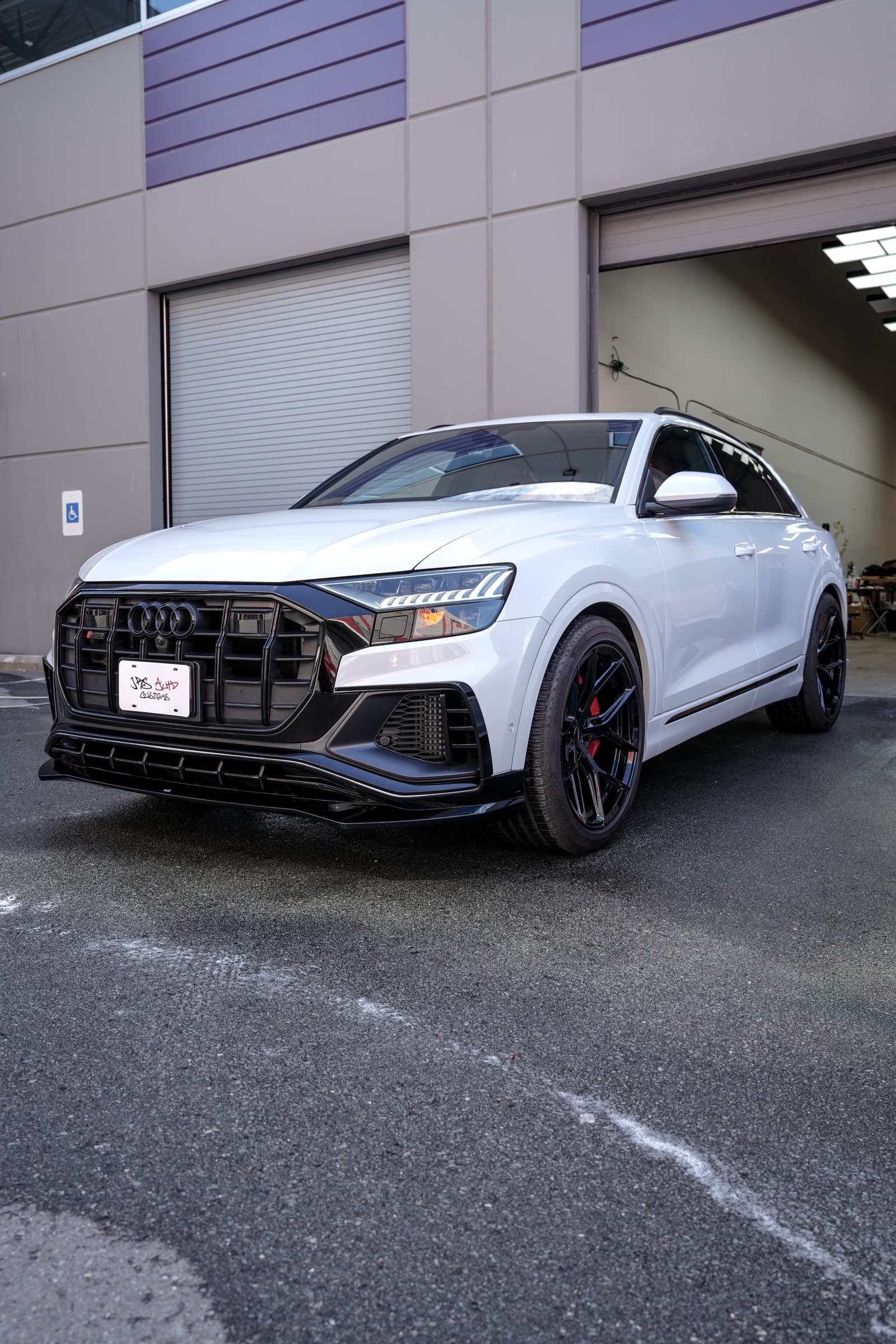
What Goes Into a Full Wheel Upgrade in Vancouver?
Published
Upgrading wheels is one of the most visible changes you can make to a car. It changes the proportions, the stance, and the whole personality of the vehicle on the road. But unlike a simple tire swap, a genuine wheel upgrade involves a set of decisions that, if made wrong, can create problems with fitment, ride quality, and even safety. Here is what the process actually looks like.
Why People Upgrade Wheels — and What They Are Actually Choosing
The most common reasons are cosmetic: a fresh set of wheels makes an older car look current again, or lets the owner express something personal about the vehicle. The second common reason is performance — a lighter wheel reduces unsprung mass, which improves suspension response and, on a daily driver, can noticeably sharpen the feel of the car through corners. The third reason, less often discussed, is that the original wheels have been damaged: kerb rash, corrosion, or road damage from winter salt pitting. Replacement for practical reasons looks the same as an upgrade but has a different starting point in the conversation.
Whatever the reason, the first step is knowing what you are actually buying — and that starts with understanding wheel sizing.
Understanding Fitment Before You Buy Anything
Fitment means the relationship between the wheel and the vehicle: the bolt pattern, the offset, the centre bore, and the width. These are not negotiable specifications — they are physical constraints. A wheel with the wrong bolt pattern will not mount. A wheel with the wrong offset can rub the suspension components or the bodywork at full lock. A wheel that is too wide for the tyre profile you need will compromise the sidewall and degrade ride quality.
The numbers that matter
Bolt pattern (PCD): the number of studs and the diameter of the circle they sit on. Most Audis are 5x112; most BMWs are 5x120; most Teslas vary by model year. Get this wrong and the wheel simply does not fit. Centre bore: the diameter of the hole in the centre of the wheel that seats on the hub. Some wheels require hub-centric rings to adapt to a larger bore. Offset (ET): how far in or out the wheel sits relative to the hub face. A lower ET number means the wheel sticks out further; a higher number tucks it in. Aggressive offset changes can affect scrub radius and steering feel.
Can I just go bigger in diameter?
You can, but it is worth knowing the trade-offs. A larger diameter wheel with a lower profile tyre maintains roughly the same overall diameter — which keeps your speedometer and odometer accurate and avoids affecting the gearbox ratio. Going significantly larger with the same tyre profile reduces sidewall height, which makes the ride harsher and can damage rims on rough roads. In Vancouver, where potholes on Cambie and Main can crack a low-profile sidewall, this matters.
The Shop Process: What Happens After You Agree to Proceed
Once the wheel and tyre combination is confirmed, the shop receives the wheels — whether they are ordered from a manufacturer like Vossen, Rays, or BBS, or sourced through a supplier. Wheels typically arrive unmounted. The process then is: tyre removal from old wheels, tyre mounting onto new wheels, wheel balancing, and finally fitment to the vehicle.
On the day of install, the shop will fit the wheels, torque the lug nuts to the correct specification with a calibrated torque wrench, and do a visual check for clearance at full suspension droop and compression. They will also note the original lug nut torque so it can be restored if the original wheels are kept as a set.
If there are hub-centric rings to fit, those go on before the wheel is mounted. If the wheels require a different lug bolt or nut, those are sourced and fitted at the same time.
After the Install: What to Watch For
The first few hundred kilometres, watch for any vibration that was not present before. If the wheels were balanced correctly, vibration is rare — but it is easier to catch at 500 km than at 5,000. Also check that the wheels sit flush with the bodywork at all four corners; a wheel that looks slightly tucked on one side may have been fitted at an incorrect offset and should be reviewed before driving far.
In Vancouver, winter is also part of the equation. If your new wheels are a finish that is more vulnerable to salt — polished or painted aluminium, rather than powder-coated — it is worth asking about winter wheel covers or a dedicated winter set before the first December drive.
Keeping Your New Wheels in Good Shape
Cleaning brake dust off wheels regularly prevents the caustic residue from etching into the finish. Use a dedicated wheel cleaner rather than all-purpose degreaser, which can strip certain wheel coatings. If your wheels are lacquered or clear-coated, they benefit from the same periodic wax or sealant that you apply to the rest of the car paint.
JRS Auto Customs can talk you through wheel options that suit your vehicle, your driving, and your budget — whether you are replacing a damaged set or building something from scratch.
See wheel upgrade projects and options at JRS Auto Customs
A brief conversation before you order is usually enough to know whether the wheels you are considering will fit, what tyres to pair them with, and whether there are any gotchas for your specific model.
Related project: Audi SQ8 ABT Body Kit & Vossen HF5 Wheels