
Window Tinting in Vancouver: What Every Driver Should Know
Published
Parked in a sunny Richmond lot for two hours and come back to a car that feels like a sauna? That is a familiar experience for Vancouver drivers in summer — and it is one of the problems that window tinting directly solves. Beyond comfort, it brings UV protection, glare reduction, and a privacy benefit that many owners come to appreciate once they have it.
What Window Tinting Actually Is
Window tint is a thin polyester film applied to the inside of your car windows. It comes in different shades and materials, ranging from basic dyed films that darken the glass to premium ceramic films that block infrared heat without darkening the window at all. The right type for your car depends on what you want to achieve.
The Benefits That Matter for Vancouver Drivers
Heat reduction: ceramic window films can block a significant portion of infrared radiation, keeping the cabin noticeably cooler on sunny days. In a city where a clear July afternoon can spike interior temperatures fast, this makes a real difference to comfort.
UV protection: both dyed and ceramic films block ultraviolet rays. Over time, UV contributes to dashboard cracking, leather fading, and accelerated wear on interior trim. A good tint film reduces this exposure significantly.
Glare reduction: driving west on Marine Drive in the afternoon or east on the Ironworkers Memorial Bridge means fighting low sun. Tinting cuts the glare and makes those stretches safer to drive.
Privacy: a darker rear cabin makes it harder to see valuables left in the car — a practical benefit in busy parkades and on street parking.
Types of Window Film
Dyed film: the most affordable option. It darkens the glass and provides UV protection, but it can fade over time and does not reduce heat as effectively as other types.
Metalised film: uses tiny metallic particles to reflect heat and sunlight. It is more durable than dyed film, but can interfere with GPS, cell signal, and radio reception in some vehicles.
Ceramic film: the premium option. It uses ceramic nanoparticles to block infrared heat and UV without metallic content, meaning no signal interference. It stays clear over time and provides the best heat rejection. This is the type most professionals recommend for Vancouver's climate.
BC Laws on Window Tint
BC's Motor Vehicle Act sets legal limits on tint darkness for the front two side windows and the windshield. The rules apply to the light transmitted through the film — not the factory glass. Before choosing a shade, it is worth confirming what the legal limit is for your vehicle class, as it varies between sedans, SUVs, and trucks. A professional tint shop will know these limits and will not install anything that would fail a vehicle inspection.
What the Installation Involves
Professional window tinting takes a few hours. The windows are cleaned thoroughly, the film is cut to fit each pane precisely, and adhesive is applied. Once installed, the film needs a short period to cure — typically a few days — before you should roll the windows down. A reputable shop will explain the aftercare and what to expect during the curing window.
Is Tinting Right for Your Car?
Window tinting works for almost any vehicle, but it makes the most sense if you commute in strong sun, park outside frequently, do a lot of highway driving with afternoon glare, or want to protect your interior from UV-related wear. If you regularly use a garage or do not mind the heat, the case is less urgent — but the protection benefit remains.
JRS Auto Customs installs window tinting in Vancouver. If you want to know what shade is right for your car and compliant with BC law, book a consultation and we will walk you through the options.
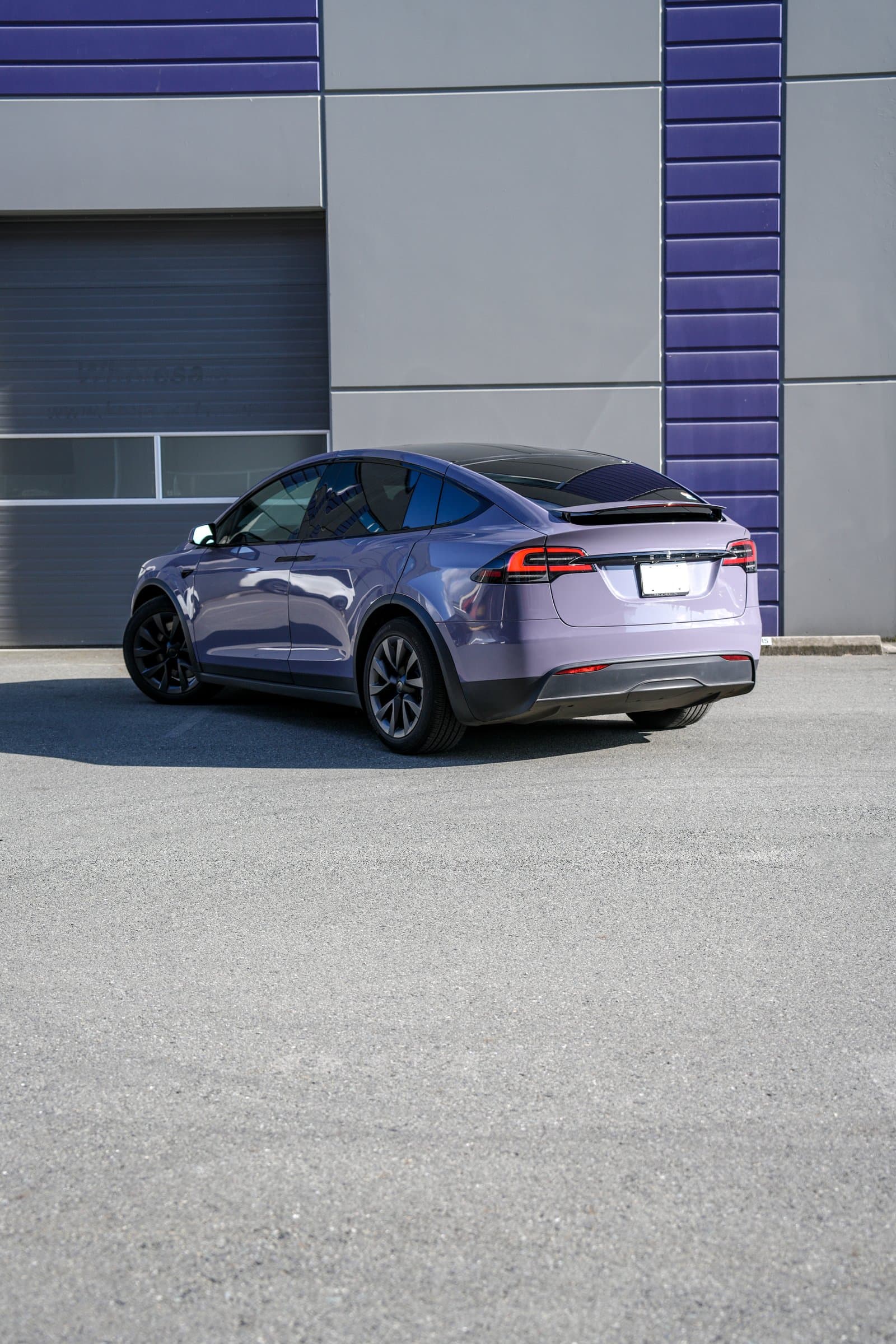
Related project: Tesla Model X — Provence Purple Color Change