
In-Stock or Custom-Order Wheels: What the Wait Means
Published
A wheel order is not one thing, and it is not one waiting time
Ask for a set of wheels in Vancouver and the first thing that gets negotiated is not the wheel. It is the wait. And the wait is not a single number either, because two orders placed on the same day at the same shop can sit on completely different clocks depending on how specific the order is. A wheel sitting on a shelf is one thing. A wheel that has to be sourced, finished in a particular colour, and built to a specification that may only be made for one vehicle is another thing entirely. The difference between those two orders is the difference between a car that looks new this month and a car that looks new in the spring. JRS works with in-stock inventory and custom order capability at the same time, and both are on the wheels service page. Understanding which one you are actually buying is the difference between a purchase that works and a purchase that sits.
What in-stock actually means
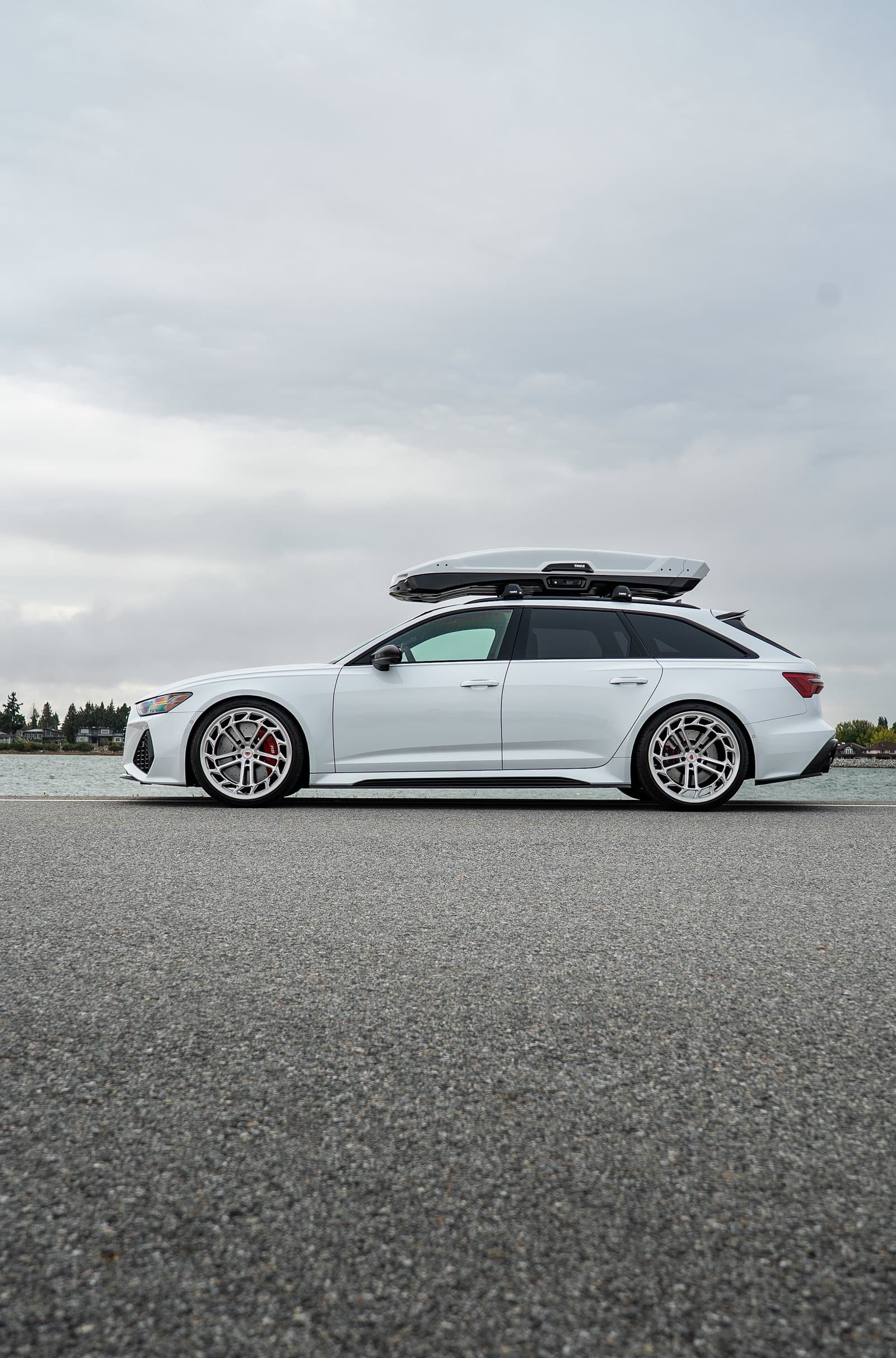
In-stock wheels are already in the country, in the sizes and finishes the distributor holds. When a set is available in the diameter, width, offset and finish you want, the order is largely a fitting job: new rubber, new valves if the design needs them, hardware, and the installation itself. The variables left are your vehicle and your taste. That simplicity is worth something real. It removes the largest source of uncertainty from the whole transaction, which is whether the part you ordered is going to exist, in the finish you ordered, in a state you are happy with. There is no production slot to miss and no freight delay to absorb. It also has a limit worth being honest about. Distributor inventory concentrates around the combinations people buy most. A mainstream vehicle in a common diameter with a mainstream finish is easy to find. Push the spec — a particular width, a deep concave profile, a colour that has to be made to order — and availability thins out fast. The Vossen LC2-C1 wheels fitted to an Audi RS6 in our portfolio are a good example of a wheel defined by its geometry: a deep concave profile that gives the car its shadow lines. That is not a wheel you expect to find on a shelf in three sizes.
What makes a custom order slow
A custom order runs through stages that a shelf item never touches. The specification is confirmed against your vehicle. The order goes to the manufacturer or the distributor. A production or finishing slot is allocated. Then it ships, and it clears into the country. Only then does the fitting work begin. The stages that decide your timeline are worth understanding individually, because they fail for different reasons and you have different control over each. The fitment question comes first, and it is the stage where an order most often changes. If the wheel you ordered does not clear your brake caliper or fit your arch without fouling the strut, the specification gets revised — and a revision means going back into the order queue. After that comes the finish. A colour that is mixed or made to order adds time that a standard finish does not. And a paint-matched or refinished wheel adds a further step on top entirely, because the wheel has to come apart before it can be treated and be reassembled afterwards. One more variable sits outside the order itself: how the shop is booked. Wheel work is booked by appointment, and in spring the schedule fills well ahead. Our guide to Canadian forged wheels covers why the season changes demand; the same pressure applies to ordering.
How to decide which route suits you
The honest test is whether the wait changes your decision. If the wheel you want exists in the size and finish you want, taking an in-stock set and having the car done properly this month is almost always the better outcome than the same wheel in six weeks. You will not miss a specific design you were never going to buy anyway. The wait is worth it when the specification is the point. A particular finish, a particular profile, a wheel sized for a specific car and nothing else — those are cases where the alternative is not "the same wheel later", it is "a different wheel". If you have already decided the design and only the timing is open, you are choosing between your wheel and a substitute. Two things make the decision easier. The first is to settle fitment before you commit to a specification, so that the order does not need revising once it is placed. The second is to be honest about whether the finish matters to you or whether the shape does. Wheels that are finished in a standard colour are far easier to source than ones that are not. And if you are also changing tyres, plan that at the same time. The seasonal tyre question is worth resolving early, because a wheel and tyre change is one job rather than two, and doing them together avoids a second visit.
The part people forget: the wheels still need looking after
Wherever they came from, a new wheel set arrives as the start of something rather than the end of it. A forged or flow-formed wheel is not finished for the climate it is about to live in, and the finish will weather differently from the paint it sits next to. Our guide to wheel finishes in Vancouver weather covers how finishes age through a salt year and a wet season. The care routine matters too. Brake dust does not stop accumulating because the wheels are new, and it will eat into a finish faster than most people expect. Our complete wheel care guide covers the washing method that keeps them looking right. There is one more reason to get the sourcing right at the start: if a wheel is going to be finished in something other than its stock colour, or has been ordered to a size that is unusual for your car, it is worth asking how the shop intends to protect and service it. A forged wheel is a significant purchase, and looking after it properly is a smaller cost than replacing it.
What to do next
The most useful thing you can do before contacting any shop is write down three things: the vehicle, the diameter and width you want, and whether the finish is negotiable. With those three answers, a shop can tell you quickly whether you are looking at an in-stock set, a custom order, or something in between — and give you a timeline that is real rather than optimistic. If you would like that conversation for your own car, send us your project and we will respond within one business day with a timeline, pricing and any prep notes. We source and fit in-stock inventory and custom orders in the same workshop, and we would rather set the expectation honestly than have you waiting on a wheel that was never going to be on the shelf. See the wheels and rims service for the full range, or look at the Audi RS6 build for what a fully specified wheel looks like once it is fitted.
Related project: Audi RS6 Vossen LC2-C1 Custom Wheels